Best Fissure Treatment in Mumbai with Advanced Laser Surgery
Looking for fissure treatment in Mumbai? Total Surgicare provides comprehensive evaluation and treatment for anal fissures, including conservative care and minimally invasive surgical options for patients with persistent or chronic fissures. Our surgical team assesses the severity, duration, symptoms, and underlying causes before recommending an appropriate treatment plan.
Minimally Invasive Treatment
Modern surgical techniques
Experienced Proctologists
Specialized anorectal care
Individual Treatment Planning
Treatment based on fissure severity
Recovery Support
Post-treatment guidance and follow-up
Also Known As:
Book an Appointment
What is an Anal Fissure?
An anal fissure is a small tear or crack in the delicate lining of the anal canal, commonly caused by passing hard stools or excessive straining during bowel movements. It can lead to sharp or burning pain, bright red bleeding, itching, and discomfort during or after passing stool. In some cases, muscle spasms around the anal canal can make the pain more persistent. Acute fissures may heal with conservative treatment such as adequate fibre, hydration, stool management, warm sitz baths, and prescribed medicines. However, when a fissure continues for several weeks, repeatedly returns, or does not respond to conservative treatment, it may become chronic and require further medical or surgical management.

Symptoms for Fissure
Sharp Pain During Bowel Movements
Intense pain as stool passes
Burning Pain After Passing Stool
Burning that can last for hours afterwards
Bright Red Blood
Blood on the stool or on toilet paper
Anal Itching
Irritation and itching around the anus
Muscle Spasm
Spasm of the anal sphincter after passing stool
A Visible Tear
A crack visible around the anal opening
Skin Tag
A skin tag in some chronic cases
Common Causes of Fissure
Passing Hard Stools
Hard stool tears the delicate anal lining
Chronic Constipation
Ongoing difficulty passing stool
Excessive Straining
Repeated straining injures the anal canal
Repeated Diarrhoea
Frequent loose stools irritate the lining
Childbirth
Trauma during vaginal delivery
Trauma to the Anal Canal
Any direct injury to the anal lining
Inflammatory Bowel Conditions
Certain bowel conditions delay healing
Risk Factors for Fissure
Low-Fibre Diet
Leads to hard stools and straining
Chronic Constipation
A long history of constipation
Frequent Diarrhoea
Repeated irritation of the anal canal
Sedentary Lifestyle
Low activity slows bowel motility
Previous Anal Fissure
An earlier fissure raises the risk of another
Gastrointestinal Conditions
Certain digestive conditions affect healing
Complications if Fissure Left Untreated
Chronic Fissure
A fissure that fails to heal over weeks
Persistent Pain
Ongoing pain affecting daily life
Anal Sphincter Spasm
Muscle spasm that delays healing
Skin Tag Formation
A sentinel tag at the edge of the fissure
Recurrent Bleeding
Repeated bleeding with bowel movements
Difficulty with Bowel Movements
Fear of pain leads to withholding stool
Diagnosis
A doctor usually diagnoses an anal fissure through examination of the anal area. Further investigation may be recommended when the fissure is atypical, recurrent or associated with other symptoms.
Diagnostic Methods
- Visual examination
- Digital rectal examination when appropriate
- Anoscopy
- Additional investigations when another condition is suspected
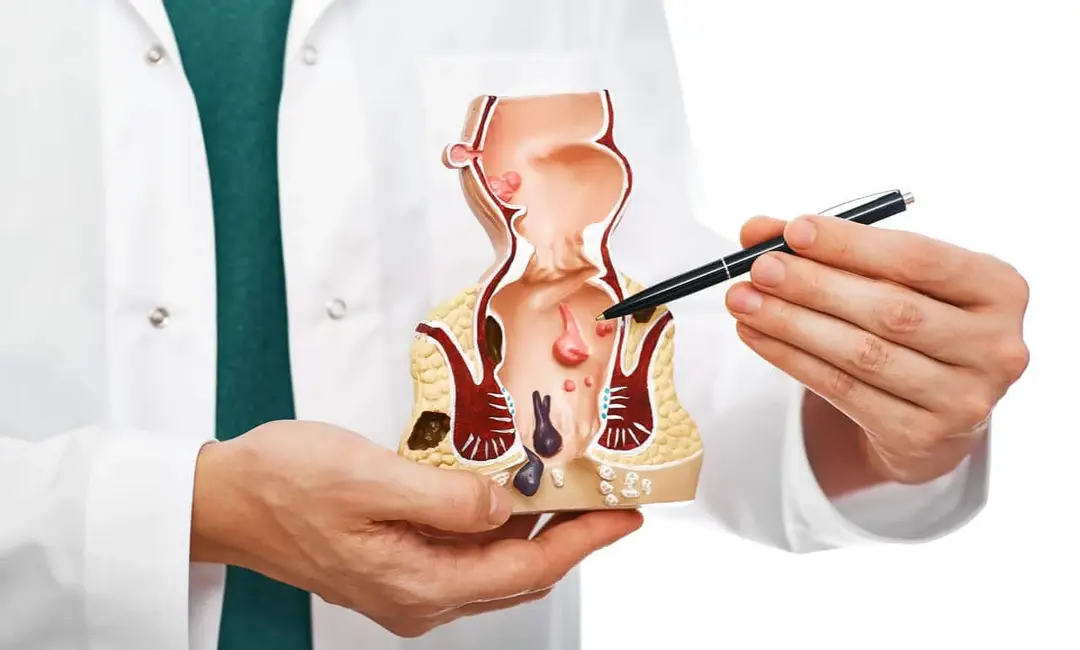
Surgical Treatment Options
Our advanced surgical procedures provide effective, long-term relief
Laser-Assisted Fissure Treatment
Selected chronic fissures may be treated using minimally invasive laser-assisted techniques.
Recovery Time
As advised by the surgeon
Anesthesia
Local with sedation, or regional
Lateral Internal Sphincterotomy
A surgical procedure that releases part of the internal anal sphincter to reduce excessive muscle tension and support healing.
Recovery Time
As advised by the surgeon
Anesthesia
Local or general
Fissurectomy
Fissurectomy involves removing chronic unhealthy tissue associated with the fissure.
Recovery Time
As advised by the surgeon
Anesthesia
Local or general
Conservative Treatment
Acute fissures may improve through non-surgical treatment before any procedure is considered.
Recovery Time
Varies with response to treatment
Anesthesia
Not required
Laser-Assisted Fissure Treatment
Selected chronic fissures may be treated using minimally invasive laser-assisted techniques.
Recovery Time
As advised by the surgeon
Anesthesia
Local with sedation, or regional
Lateral Internal Sphincterotomy
A surgical procedure that releases part of the internal anal sphincter to reduce excessive muscle tension and support healing.
Recovery Time
As advised by the surgeon
Anesthesia
Local or general
Fissurectomy
Fissurectomy involves removing chronic unhealthy tissue associated with the fissure.
Recovery Time
As advised by the surgeon
Anesthesia
Local or general
Conservative Treatment
Acute fissures may improve through non-surgical treatment before any procedure is considered.
Recovery Time
Varies with response to treatment
Anesthesia
Not required
Preventive Measures
Eat Adequate Dietary Fibre
Softer stools reduce the chance of re-tearing.
Drink Sufficient Water
Hydration keeps stools easy to pass.
Avoid Straining
Straining reopens healing fissures.
Do Not Delay Bowel Movements
Delaying hardens the stool further.
Maintain Regular Physical Activity
Activity supports bowel regularity.
Manage Constipation Promptly
Treat constipation before it causes injury.
Fissure Types and Surgical Procedures
Acute Fissure
Description: A recent fissure that may heal with conservative treatment.
Surgical Procedure: Conservative Management - Fibre, hydration, stool management and prescribed medication.
Chronic Fissure
Description: A fissure that persists or repeatedly returns and may develop associated scarring or a skin tag.
Surgical Procedure: Surgical Treatment - Considered when conservative management fails.
Recurrent Fissure
Description: A fissure that repeatedly heals and reopens.
Surgical Procedure: Evaluation and Targeted Treatment - Identifies the underlying cause before medical or surgical treatment.
Why choose Total Surgicare for Fissure Surgery?
Advanced Treatment Options
Conservative and minimally invasive approaches.
Experienced Proctology Team
Specialized evaluation of anorectal conditions.
Personalized Treatment Planning
Treatment based on the duration and severity of the fissure.
Post-Treatment Guidance
Support with diet, bowel habits and recovery.
FAQS
Frequently Asked Questions — Fissure
Answers to common questions about fissure at Total Surgicare.
Need Help?
If you can't find the answer to your question, please don't hesitate to contact our customer support team.