Breast Lump - Symptoms, Causes & Treatment
A breast lump is a swelling or mass in the breast tissue. Learn about its symptoms, causes, diagnosis, and treatment options.
Minimally Invasive
Advanced techniques with minimal pain
Modern Technology
State-of-the-art equipment
Expert Doctors
Specialized in treatment
Quick Recovery
Return to normal activities fast
Also Known As:
स्तन में गांठ (Hindi)स्तनातील गाठ (Marathi)
Scroll for more information
Book an Appointment
What is a Breast Lump?
A breast lump is a localized swelling or mass in the breast. It can be benign or malignant and requires proper evaluation to determine the cause.
Trigger Foods to Avoid in a Diet
High-Fat Diet
May influence hormone levels, potentially affecting breast tissue.
Caffeine
Some believe it may worsen breast lump symptoms, though evidence is limited.
Symptoms for Breast Lump
Palpable Lump
Noticeable lump in breast tissue.
Pain or Tenderness
May or may not be painful.
Skin Changes
Dimpling, redness, or nipple changes around the lump.
Common Causes of Breast Lump
Fibroadenoma
Benign tumors common in younger women.
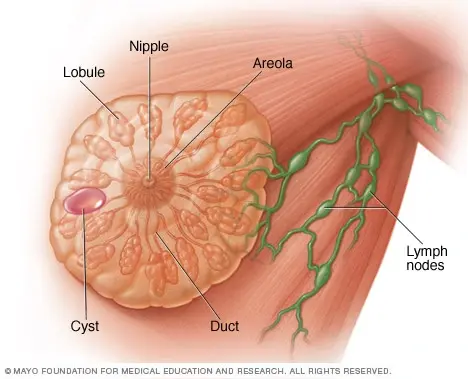
Cysts
Fluid-filled sacs that can cause lumps.
Breast Cancer
Malignant tumors requiring urgent treatment.
Fibrocystic Changes
Noncancerous changes causing lumpiness and discomfort.
Risk Factors for Breast Lump
Age
Risk increases with age.
Family History
Genetic predisposition to breast cancer.
Hormonal Factors
Early menstruation, late menopause, or hormone therapy.
Complications if Breast Lump Left Untreated
Breast Cancer
Malignant lumps can spread if untreated.
Infection
Infected cysts or abscesses can cause pain and swelling.
Psychological Impact
Anxiety and stress due to lump detection.
Diagnosis
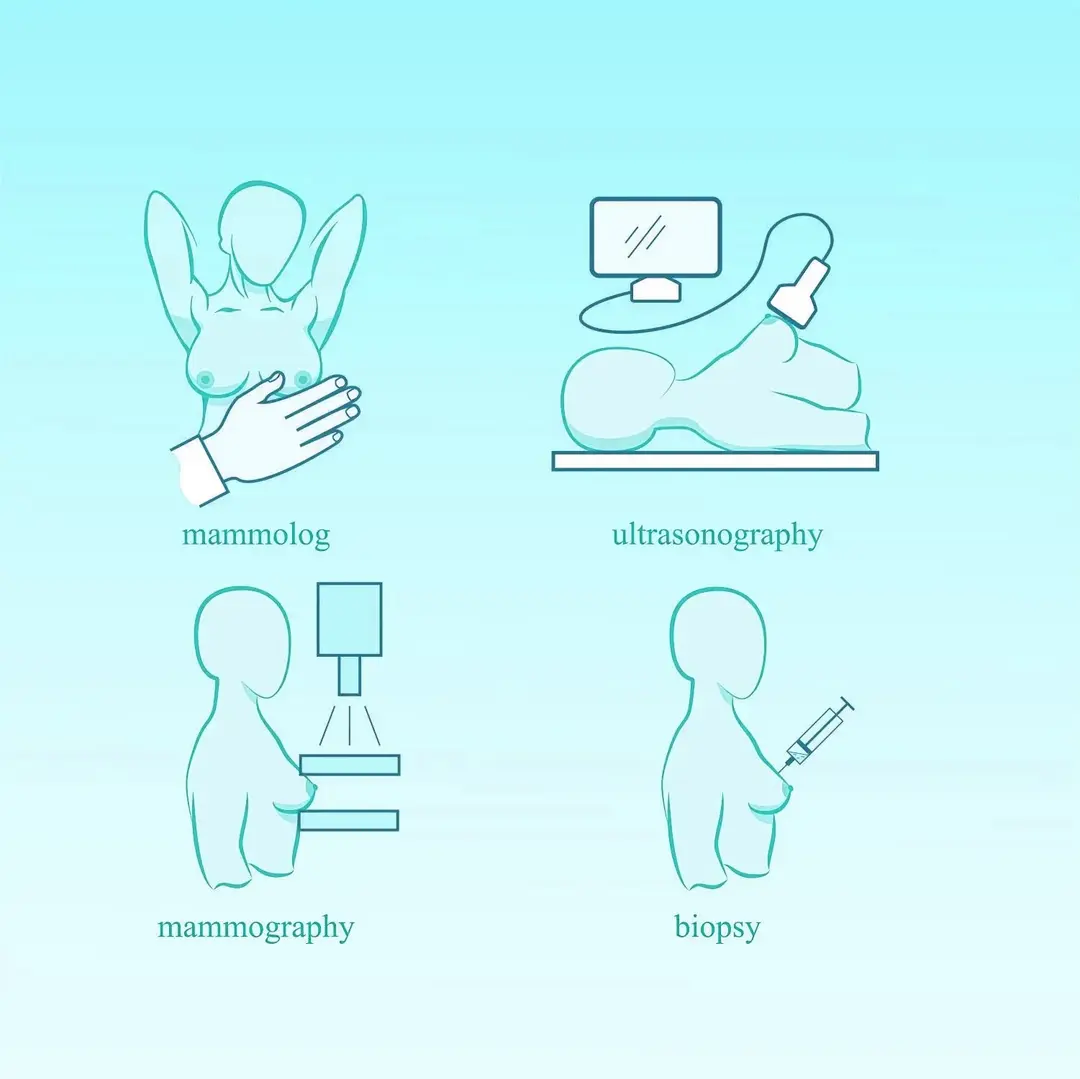
Includes physical exam, imaging (mammogram, ultrasound), and biopsy if necessary.
Diagnostic Methods
- Physical Examination
- Mammography
- Ultrasound Imaging
- Fine Needle Aspiration Cytology (FNAC)
- Core Needle Biopsy
Surgical Treatment Options
Our advanced surgical procedures provide effective, long-term relief
Recommended
Excisional Biopsy / Lump Removal
Surgical removal of the lump to diagnose or treat.
Definitive diagnosis through histopathology
Complete removal of suspicious lumps
Relief from symptoms
Prevention of malignancy progression
Recovery Time
1-2 weeks
Anesthesia
Local or General
Mastectomy
Removal of breast tissue in cases of cancer.
Effective cancer control
Reduces recurrence risk
Can be combined with reconstruction
Recovery Time
Several weeks
Anesthesia
General
Recommended
Excisional Biopsy / Lump Removal
Surgical removal of the lump to diagnose or treat.
Definitive diagnosis through histopathology
Complete removal of suspicious lumps
Relief from symptoms
Prevention of malignancy progression
Recovery Time
1-2 weeks
Anesthesia
Local or General
Mastectomy
Removal of breast tissue in cases of cancer.
Effective cancer control
Reduces recurrence risk
Can be combined with reconstruction
Recovery Time
Several weeks
Anesthesia
General
Preventive Measures
Observation
Monitoring benign lumps without immediate intervention.
Medications
Pain relief or hormone therapy in certain cases.
Fine Needle Aspiration (FNA)
Minimally invasive procedure to sample lump cells for diagnosis.
Ultrasound Monitoring
Regular imaging follow-up to track lump changes over time.
Breast Lump Types and Surgical Procedures
Benign Lump
Description: Includes fibroadenomas and cysts; generally noncancerous.
Surgical Procedure: Clinical evaluation and monitoring or surgical excision if symptomatic.
Malignant Lump
Description: Breast cancer requiring aggressive treatment including surgery, chemotherapy, or radiation.
Surgical Procedure: Diagnosis via biopsy followed by surgery and adjunct therapies.
Why choose Total Surgicare for Breast Lump Surgery?
0
Expert Breast Surgeons
Specialized care for diagnosis and treatment.
1
State-of-the-Art Imaging
Accurate detection and assessment of breast lumps.
2
Personalized Treatment Plans
Tailored based on lump type and patient needs.
3
Comprehensive Support
Counseling and follow-up care for patients.