Fistula Treatment - Advanced Laser Surgery Procedure
Fistula is an abnormal tunnel-like connection between the anal canal and the skin near the anus. It can lead to pain, swelling, and discharge. Our advanced laser treatment offers a safe, minimally invasive solution with faster recovery.
Minimally Invasive
Advanced techniques with minimal pain
Modern Technology
State-of-the-art equipment
Expert Doctors
Specialized in treatment
Quick Recovery
Return to normal activities fast
Also Known As:
भगंदर (Hindi)फिस्टुला (Marathi)
Scroll for more information
Book an Appointment
What is a Fistula?
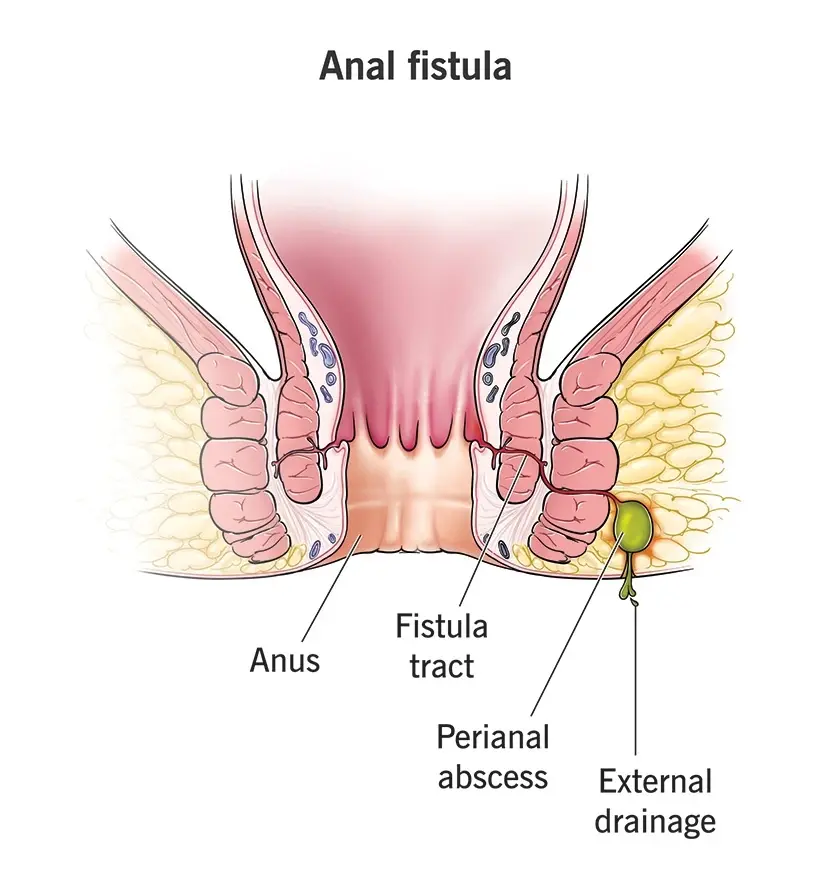
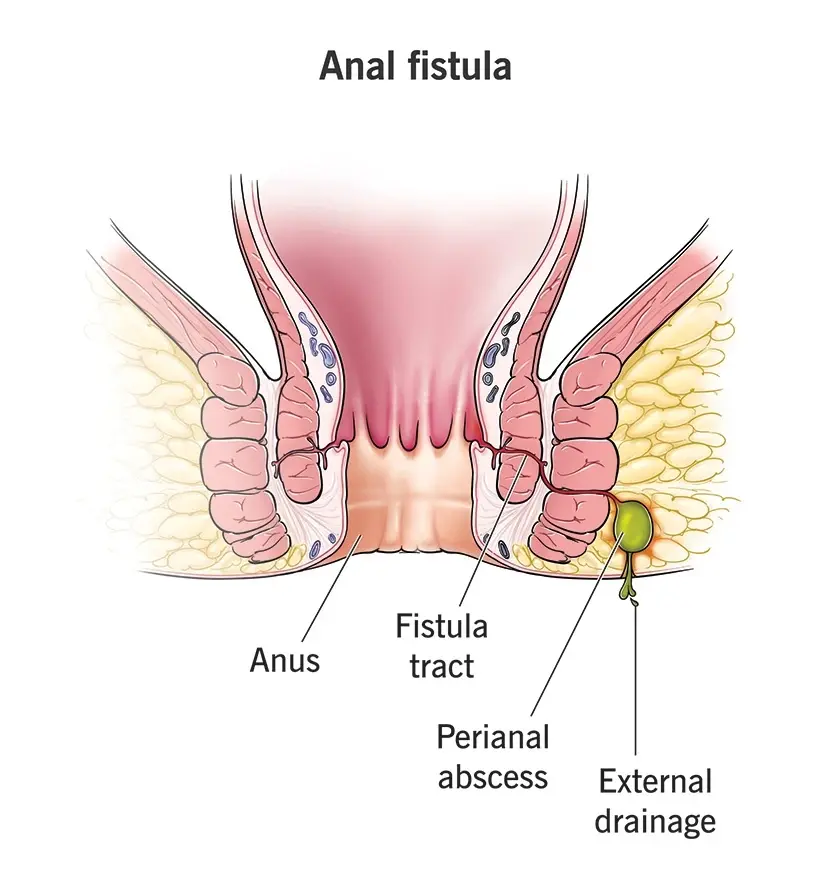
An anal fistula is a small tunnel that develops between the end of the bowel and the skin near the anus. It usually occurs due to an infection in an anal gland that forms an abscess and fails to heal properly. Fistulas often cause pain, discharge, and skin irritation.
Trigger Foods to Avoid in a Diet
Spicy Foods
May worsen inflammation and irritation in the anal area
Caffeinated Beverages
Can irritate the digestive tract and worsen symptoms
Processed Meats
Low in fiber, may cause constipation and strain
Fried and Fatty Foods
Hard to digest and may aggravate digestive issues
Alcohol
Can cause dehydration and inflammation
Dairy Products
Can slow digestion and contribute to constipation
Symptoms for Fistula
Persistent Pain
Especially during bowel movements or sitting
Swelling and Redness
Around the anus
Discharge of Pus or Blood
May stain undergarments and cause discomfort
Recurrent Abscesses
Frequent infections in the anal area
Foul Smell
Due to infection and discharge
Fever or Fatigue
Indicates underlying infection
Common Causes of Fistula
Anal Abscess
A collection of pus that forms near the anus and can lead to fistula if untreated
Crohn’s Disease
Inflammatory bowel disease increases the risk of developing anal fistulas
Tuberculosis
Can cause chronic inflammation and fistula formation
Radiation Therapy
Can damage anal tissues and lead to fistulas
Surgery Complications
Post-operative infections may lead to fistulas
Trauma or Injury
Physical damage around the anus or rectum can result in abnormal tracts
Risk Factors for Fistula
Inflammatory Bowel Disease
Conditions like Crohn’s increase risk
Previous Anal Surgery
Can leave scars or weak tissues
HIV/AIDS
Weakens immunity and healing process
Smoking
Slows tissue repair and increases risk
Poor Hygiene
Increases infection risk around anus
Sedentary Lifestyle
Leads to poor blood circulation
Complications if Fistula Left Untreated
Recurrent Infections
Fistulas can repeatedly get infected
Anal Stricture
Narrowing of the anal canal due to scar tissue
Fecal Incontinence
May occur if sphincter muscles are damaged
Sepsis
Untreated infections can spread systemically
Chronic Pain
Long-term discomfort due to inflammation
Malignancy (Rare)
Chronic fistulas can rarely lead to cancer
Diagnosis
Diagnosing a fistula requires a thorough physical examination and imaging studies. A fistula tract is located, and its complexity is evaluated to plan the treatment.
Diagnostic Methods
- Visual and physical examination by a proctologist
- Probing under anesthesia to trace the tract
- MRI Fistulography for complex tracts
- Endoanal Ultrasound to assess sphincter involvement
- CT Scan in cases involving deep or multiple tracts
Surgical Treatment Options
Our advanced surgical procedures provide effective, long-term relief
Recommended
Laser Fistula Treatment
Minimally invasive technique using laser energy to seal the fistula tract with minimal damage to surrounding tissues.
Painless and bloodless procedure
Quick recovery with minimal downtime
Preserves sphincter function
Outpatient procedure
Lower recurrence rate
Recovery Time
3-5 days
Anesthesia
Local with sedation
Fistulotomy
The fistula tract is surgically opened and cleaned to allow it to heal from inside out.
Effective for simple fistulas
Reduces chances of recurrence
Recovery Time
1-2 weeks
Anesthesia
Spinal or general
Recommended
Laser Fistula Treatment
Minimally invasive technique using laser energy to seal the fistula tract with minimal damage to surrounding tissues.
Painless and bloodless procedure
Quick recovery with minimal downtime
Preserves sphincter function
Outpatient procedure
Lower recurrence rate
Recovery Time
3-5 days
Anesthesia
Local with sedation
Fistulotomy
The fistula tract is surgically opened and cleaned to allow it to heal from inside out.
Effective for simple fistulas
Reduces chances of recurrence
Recovery Time
1-2 weeks
Anesthesia
Spinal or general
Preventive Measures
Antibiotics
Prescribed to control infection and reduce inflammation before surgery.
Sitz Baths
Warm water baths several times a day to ease pain and keep the area clean.
High-Fiber Diet
Prevents constipation and reduces pressure on the anal area.
Probiotics
Supports gut health and reduces flare-ups in IBD-related cases.
Why choose Total Surgicare for Fistula Surgery?
0
Expert Laser Surgery by Proctology Specialists
We use state-of-the-art laser technology to treat fistulas safely and effectively with minimal pain, scarring, or downtime. Most patients return home the same day.
1
FREE Consultation with Experienced Surgeons
Book a no-cost consultation with our expert team to evaluate your condition and explore the best treatment options tailored to your needs.