Gynecomastia - Symptoms, Causes & Treatment
Gynecomastia is the enlargement of breast tissue in males. Learn about its symptoms, causes, diagnosis, and treatment options.
Minimally Invasive
Advanced techniques with minimal pain
Modern Technology
State-of-the-art equipment
Expert Doctors
Specialized in treatment
Quick Recovery
Return to normal activities fast
Also Known As:
पुरुष स्तन वृद्धि (Hindi)पुरुष स्तन वाढ (Marathi)
Scroll for more information
Book an Appointment
What is Gynecomastia?
Gynecomastia is a condition characterized by the enlargement of breast tissue in males, often due to an imbalance of estrogen and testosterone. It can affect one or both breasts and may occur at any age, often causing psychological or physical discomfort.
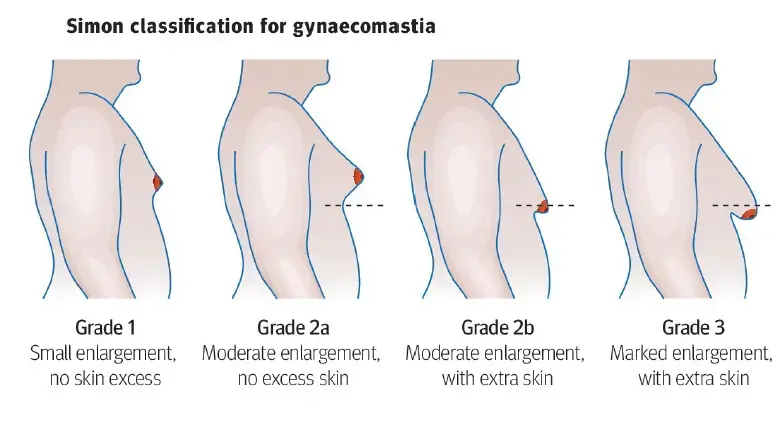
Trigger Foods to Avoid in a Diet
Alcohol
Excessive alcohol consumption may disrupt hormone balance, potentially worsening gynecomastia.
Soy Products
High intake of soy, containing phytoestrogens, may influence estrogen levels in some cases.
Processed Foods
Foods high in sugars or unhealthy fats may contribute to obesity, exacerbating gynecomastia.
Symptoms for Gynecomastia
Enlarged Breast Tissue
Swelling or increased breast gland tissue in males.
Tenderness
Pain or sensitivity in the breast area.
Nipple Changes
Nipple sensitivity or discharge in rare cases.
Common Causes of Gynecomastia
Hormonal Imbalance
Increased estrogen or decreased testosterone levels.
Medications
Certain drugs like anti-androgens, steroids, or antidepressants.
Obesity
Excess fat tissue can increase estrogen production.
Medical Conditions
Liver disease, kidney failure, or hyperthyroidism can contribute.
Risk Factors for Gynecomastia
Age
Common during puberty, middle age, or older age due to hormonal changes.
Obesity
Excess body fat can increase estrogen levels.
Substance Use
Use of alcohol, marijuana, or anabolic steroids.
Family History
Genetic predisposition to hormonal imbalances.
Complications if Gynecomastia Left Untreated
Psychological Distress
Embarrassment or reduced self-esteem due to breast enlargement.
Chronic Pain
Persistent discomfort or tenderness in the breast tissue.
Underlying Conditions
Untreated medical conditions causing gynecomastia may worsen.
Diagnosis
Involves a physical exam, medical history review, blood tests to check hormone levels, and imaging (ultrasound or mammogram) to rule out other conditions like breast cancer.
Diagnostic Methods
- Physical Examination
- Blood Tests
- Mammography
- Ultrasound Imaging
- Biopsy (if needed)
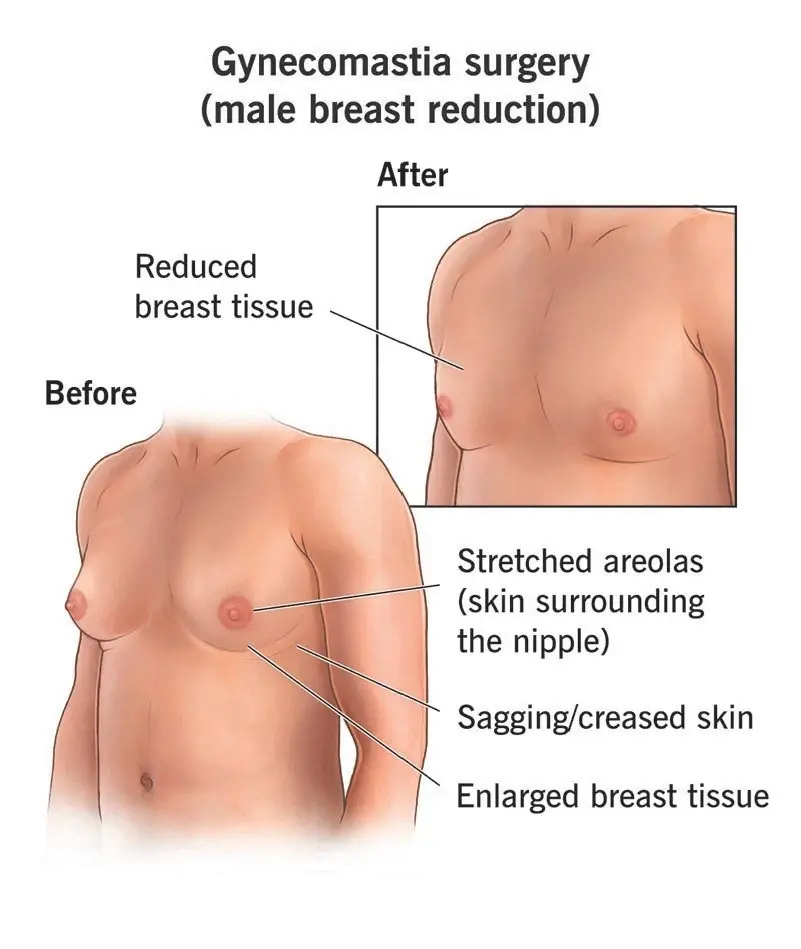
Surgical Treatment Options
Our advanced surgical procedures provide effective, long-term relief
Recommended
Liposuction
Removal of excess fat tissue from the breast area.
Minimally invasive
Improved chest contour
Quick recovery
Enhanced self-confidence
Recovery Time
2-4 weeks
Anesthesia
Local or General
Recommended
Liposuction
Removal of excess fat tissue from the breast area.
Minimally invasive
Improved chest contour
Quick recovery
Enhanced self-confidence
Recovery Time
2-4 weeks
Anesthesia
Local or General
Preventive Measures
Observation
Monitoring for spontaneous resolution, especially in adolescents.
Medications
Hormone therapy or medications to address underlying causes.
Lifestyle Changes
Weight loss or cessation of substances like alcohol or steroids.
Why choose Total Surgicare for Gynecomastia Surgery?
0
Expert Surgeons
Board-certified specialists in male breast reduction surgery.
1
Advanced Diagnostics
Precise hormone testing and imaging for accurate diagnosis.
2
Personalized Treatment
Tailored plans addressing the specific cause and patient needs.
3
Comprehensive Support
Psychological and follow-up care for optimal recovery.