PCOS / PCOD - Symptoms, Causes & Treatment
PCOS and PCOD are hormonal disorders affecting women of reproductive age, causing irregular periods, cysts, and fertility issues. Learn about symptoms, causes, and treatments.
Minimally Invasive
Advanced techniques with minimal pain
Modern Technology
State-of-the-art equipment
Expert Doctors
Specialized in treatment
Quick Recovery
Return to normal activities fast
Also Known As:
पीसीओएस / पीसीओडी (Hindi)पॉलिसिस्टिक अंडाशय सिंड्रोम (PCOS) (Marathi)
Scroll for more information
Book an Appointment
What is PCOS / PCOD?
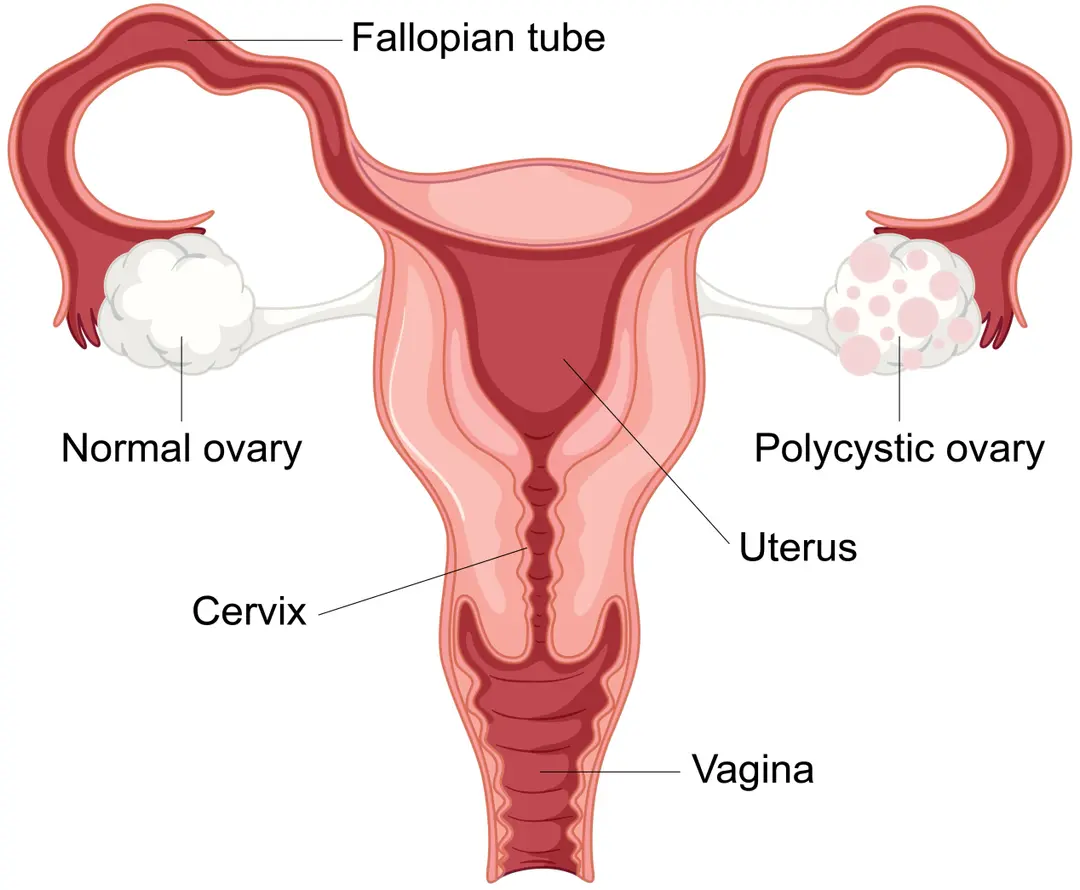
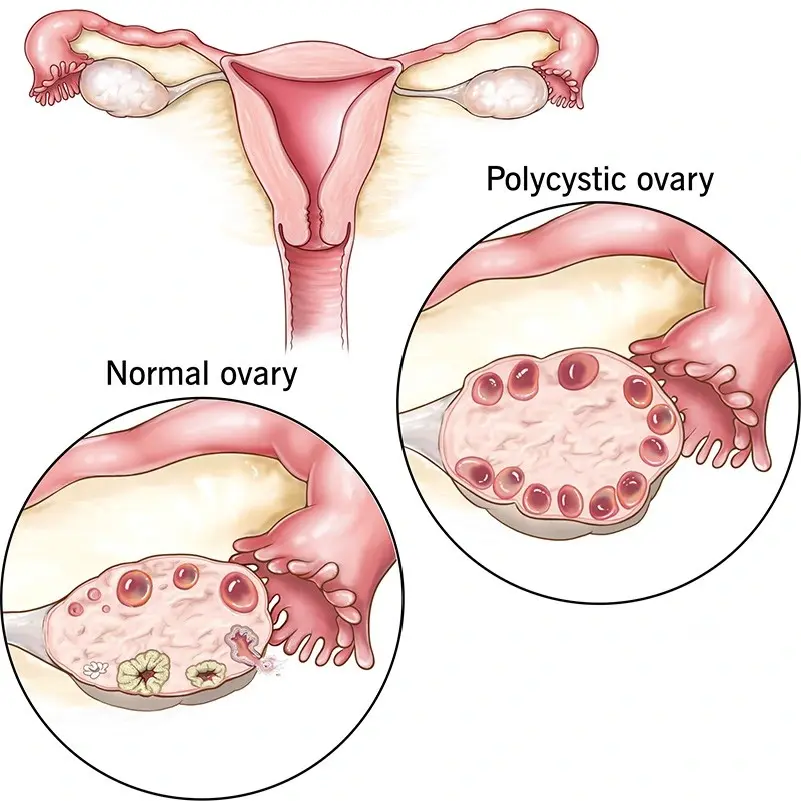
PCOS (Polycystic Ovary Syndrome) and PCOD (Polycystic Ovarian Disease) are common hormonal disorders in women, characterized by multiple ovarian cysts, irregular menstruation, and excess androgen production.
Trigger Foods to Avoid in a Diet
High Sugar Intake
Can worsen insulin resistance and hormonal imbalance.
Refined Carbohydrates
Cause blood sugar spikes, aggravating symptoms.
Processed Foods
May increase inflammation and hormonal disruption.
Symptoms for PCOS / PCOD
Irregular Periods
Infrequent, prolonged, or absent menstruation.
Weight Gain
Difficulty losing weight, often with abdominal obesity.
Excess Hair Growth
Hirsutism, including facial and body hair.
Acne and Oily Skin
Hormonal imbalance causes skin issues.
Thinning Hair
Hair loss or male-pattern baldness.
Fertility Issues
Difficulty conceiving due to ovulation problems.
Common Causes of PCOS / PCOD
Hormonal Imbalance
Excess androgens and insulin resistance are key factors.
Genetic Predisposition
Family history increases likelihood of developing PCOS/PCOD.
Lifestyle Factors
Obesity, sedentary lifestyle, and poor diet worsen the condition.
Inflammation
Chronic low-grade inflammation contributes to hormonal imbalances.
Complications if PCOS / PCOD Left Untreated
Type 2 Diabetes
Due to insulin resistance.
Infertility
Failure to ovulate regularly.
Endometrial Cancer
Risk increases due to irregular shedding of uterine lining.
Cardiovascular Disease
Higher risk due to metabolic issues.
Sleep Apnea
Common in overweight women with PCOS.
Diagnosis
Diagnosis involves clinical history, blood tests to check hormone levels, ultrasound to detect ovarian cysts, and exclusion of other causes.
Diagnostic Methods
- Physical Exam
- Blood Tests (LH, FSH, Testosterone, Insulin)
- Pelvic Ultrasound
- Glucose Tolerance Test
- Thyroid Function Test
Surgical Treatment Options
Our advanced surgical procedures provide effective, long-term relief
Recommended
Laparoscopic Ovarian Drilling
Minimally invasive surgery to trigger ovulation by destroying androgen-producing tissue.
Less pain and scarring
Faster recovery time
Shorter hospital stay
Recovery Time
1-2 weeks
Anesthesia
General
Recommended
Laparoscopic Ovarian Drilling
Minimally invasive surgery to trigger ovulation by destroying androgen-producing tissue.
Less pain and scarring
Faster recovery time
Shorter hospital stay
Recovery Time
1-2 weeks
Anesthesia
General
Preventive Measures
Lifestyle Modifications
Diet and exercise to improve symptoms and insulin sensitivity.
Medications
Hormonal contraceptives, anti-androgens, insulin sensitizers like Metformin.
PCOS / PCOD Types and Surgical Procedures
Classic PCOS
Description: Includes all features: hyperandrogenism, ovulatory dysfunction, and polycystic ovaries.
Surgical Procedure: Diagnosed based on Rotterdam criteria combining symptoms and tests.
Non-Classic PCOS
Description: May have irregular ovulation or mild symptoms without cysts on ultrasound.
Surgical Procedure: Diagnosis relies more on hormonal and clinical assessment.
Why choose Total Surgicare for PCOS / PCOD Surgery?
0
Comprehensive Hormonal Evaluation
Accurate diagnosis with advanced lab tests and imaging.
1
Personalized Treatment Plans
Tailored approach combining lifestyle, medications, and surgery if needed.
2
Fertility Support
Expertise in managing infertility related to PCOS/PCOD.
3
Ongoing Monitoring & Support
Regular follow-up to manage symptoms and prevent complications.