Lipoma - Symptoms, Causes & Treatment
Lipoma is a benign fatty tumor under the skin, usually painless and slow-growing. Learn about its symptoms, causes, and treatment options.
Minimally Invasive
Advanced techniques with minimal pain
Modern Technology
State-of-the-art equipment
Expert Doctors
Specialized in treatment
Quick Recovery
Return to normal activities fast
Also Known As:
लाइपोमा (Hindi)लिपोमा (चरबीचा गाठ) (Marathi)
Scroll for more information
Book an Appointment
What is Lipoma?
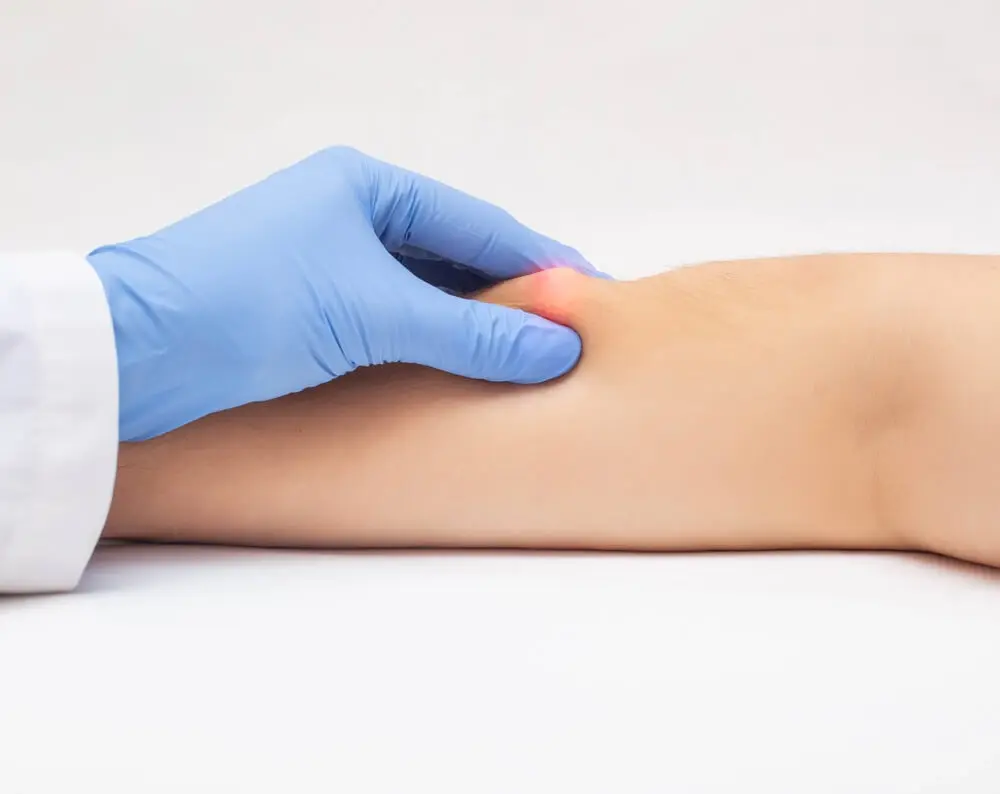
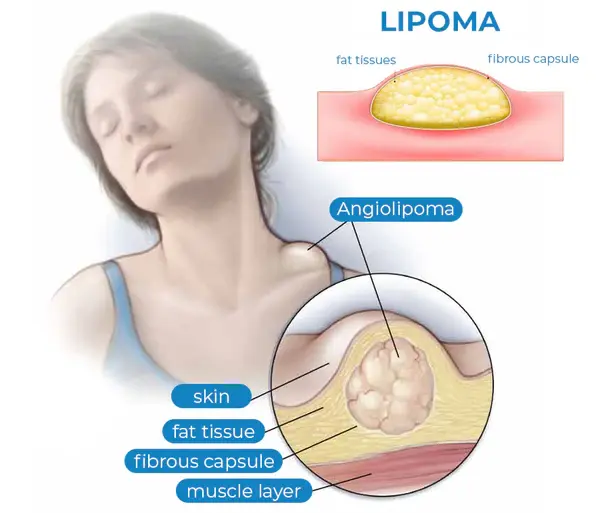
Lipoma is a noncancerous growth of fat cells that forms a soft lump under the skin, most commonly found on the neck, shoulders, back, or arms.
Trigger Foods to Avoid in a Diet
High-Fat Diet
May contribute to fat accumulation but not a direct cause.
Processed Foods
Could increase body fat, indirectly affecting lipoma growth.
Symptoms for Lipoma
Soft Lump
Usually painless, soft, and movable under the skin.
Slow Growth
Lipomas tend to grow slowly over months or years.
Tenderness
Occasionally lipomas can cause discomfort if pressing on nerves.
Common Causes of Lipoma
Genetic Factors
Family history can increase susceptibility to lipomas.
Injury
Trauma to an area may trigger lipoma formation in rare cases.
Abnormal Fat Cell Growth
Lipomas arise from uncontrolled growth of fat cells.
Risk Factors for Lipoma
Age
Most common in adults between 40-60 years.
Family History
Genetic predisposition increases risk.
Obesity
Excess body fat may be a contributing factor.
Diagnosis
Diagnosis is primarily clinical by physical exam, supported by ultrasound or MRI to confirm benign nature.
Diagnostic Methods
- Physical Examination
- Ultrasound Imaging
- MRI Scan (if deeper or unclear)
- Biopsy (rarely needed)
Surgical Treatment Options
Our advanced surgical procedures provide effective, long-term relief
Recommended
Surgical Excision
Complete removal of the lipoma is the most effective treatment.
Complete removal reduces recurrence risk
Effective for large or deep lipomas
Allows for pathological examination
Recovery Time
1-2 weeks
Anesthesia
Local or General
Liposuction
Less invasive removal using suction, suitable for some lipomas.
Minimally invasive
Less scarring
Shorter recovery time
Recovery Time
Few days
Anesthesia
Local
Minimal Incision Excision
Removal through a small incision, balancing minimal scarring and thorough excision.
Less invasive than full excision
Faster healing
Lower risk of infection
Recovery Time
1 week
Anesthesia
Local
Recommended
Surgical Excision
Complete removal of the lipoma is the most effective treatment.
Complete removal reduces recurrence risk
Effective for large or deep lipomas
Allows for pathological examination
Recovery Time
1-2 weeks
Anesthesia
Local or General
Liposuction
Less invasive removal using suction, suitable for some lipomas.
Minimally invasive
Less scarring
Shorter recovery time
Recovery Time
Few days
Anesthesia
Local
Minimal Incision Excision
Removal through a small incision, balancing minimal scarring and thorough excision.
Less invasive than full excision
Faster healing
Lower risk of infection
Recovery Time
1 week
Anesthesia
Local
Preventive Measures
Observation
Small, painless lipomas may not require treatment.
Steroid Injections
May reduce size but not commonly used.
Cryotherapy
Freezing the lipoma to reduce size, though less commonly practiced.
Laser Therapy
Using laser to shrink or soften the lipoma as a non-invasive option.
Lipoma Types and Surgical Procedures
Superficial Lipoma
Description: Located just under the skin, soft and easily movable.
Surgical Procedure: Diagnosed clinically and removed surgically if needed.
Deep Lipoma
Description: Located deeper within muscles or organs, may require imaging.
Surgical Procedure: Diagnosis with MRI, surgical removal under general anesthesia.
Multiple Lipomas (Lipomatosis)
Description: Presence of multiple lipomas, often hereditary.
Surgical Procedure: Managed symptomatically; surgery for large or painful lumps.
Why choose Total Surgicare for Lipoma Surgery?
0
Expert Surgical Care
Skilled surgeons provide safe and effective lipoma removal.
1
Accurate Diagnosis
Use of advanced imaging to differentiate from other tumors.
2
Minimal Scarring Techniques
Emphasis on cosmetic outcomes with careful surgical methods.
3
Comprehensive Follow-up
Regular monitoring to detect any recurrence or complications.