Hernia Treatment – Advanced Laparoscopic & Laser Surgery
A hernia occurs when an organ or tissue pushes through a weak spot in the surrounding muscle. We offer minimally invasive laparoscopic and laser treatments for long-lasting relief.
Minimally Invasive
Advanced techniques with minimal pain
Modern Technology
State-of-the-art equipment
Expert Doctors
Specialized in treatment
Quick Recovery
Return to normal activities fast
Also Known As:
हर्निया (Hindi)हर्निया (Marathi)
Scroll for more information
Book an Appointment
What is Hernia?
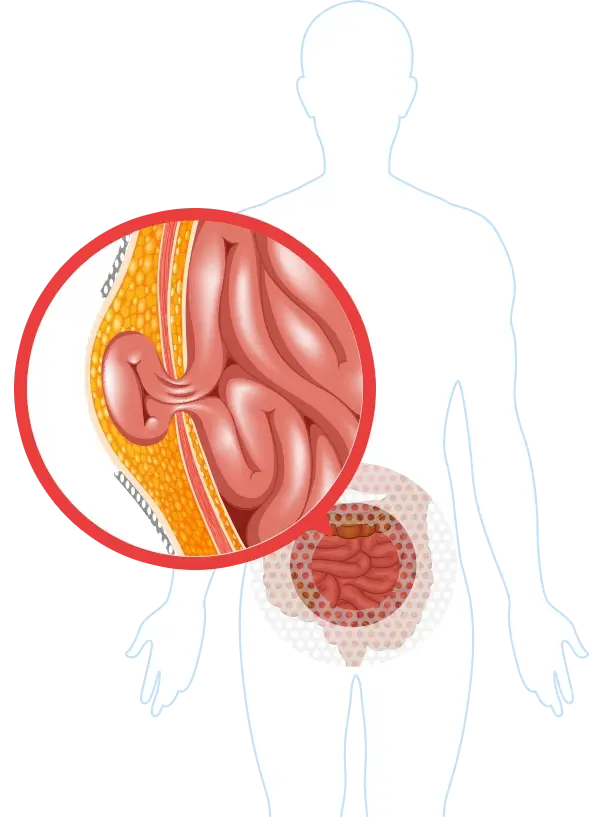
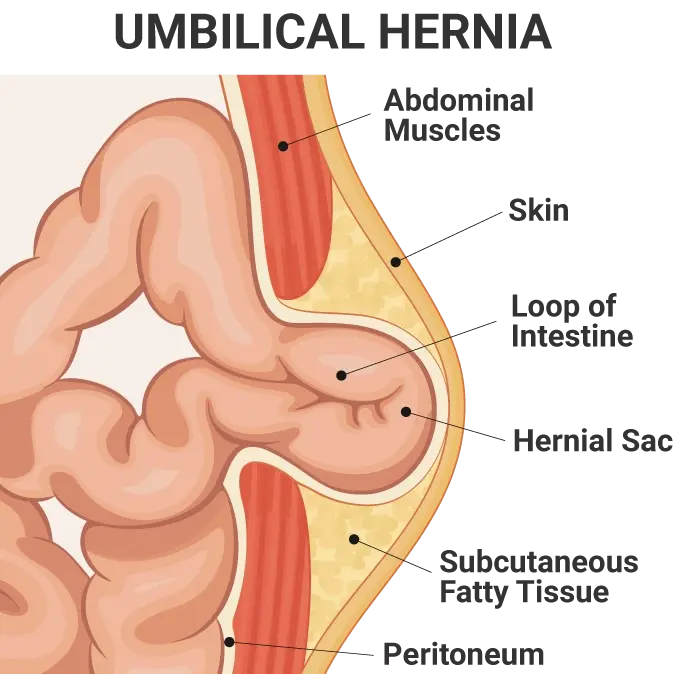
A hernia is a medical condition where an internal organ or tissue protrudes through a weak area in the muscle or connective tissue. Common types include inguinal, umbilical, and incisional hernias. It often appears as a visible bulge and may cause discomfort or pain, especially when lifting or straining.
Trigger Foods to Avoid in a Diet
Spicy Foods
Can cause acid reflux and worsen discomfort
Carbonated Drinks
Increase bloating and abdominal pressure
Fatty Foods
Delay stomach emptying and contribute to reflux
Citrus Fruits
May irritate the stomach lining
Onions and Garlic
Trigger bloating in some individuals
Caffeine
Can relax the lower esophageal sphincter
Symptoms for Hernia
Visible Bulge
In the abdomen or groin that may increase when standing or straining
Pain or Discomfort
Especially when lifting, coughing, or bending
Heaviness in the Abdomen
A sensation of fullness or pressure
Burning or Aching Sensation
Due to irritation of nearby nerves
Bowel Obstruction
Severe cases may block intestinal flow
Redness and Tenderness
May indicate strangulation or inflammation
Common Causes of Hernia
Weak Abdominal Wall
Congenital or due to aging and strain
Heavy Lifting
Increases pressure on the abdominal wall
Chronic Cough
Persistent pressure can cause muscle tears
Obesity
Excess weight strains the abdominal muscles
Pregnancy
Weakens abdominal muscles
Previous Surgery
Can weaken the surgical site (incisional hernia)
Risk Factors for Hernia
Male Gender
More prone to inguinal hernias
Old Age
Muscle tissue weakens with age
Chronic Constipation
Straining increases intra-abdominal pressure
Obesity
Adds pressure to the abdominal wall
Pregnancy
Stretches and weakens abdominal muscles
Family History
Genetic predisposition to weak tissue
Complications if Hernia Left Untreated
Strangulated Hernia
Cuts off blood flow and requires emergency surgery
Incarcerated Hernia
Trapped tissue that can't be pushed back
Bowel Obstruction
Hernia blocks intestinal contents
Pain and Inflammation
Due to constant friction or strangulation
Recurrent Hernia
May recur if not treated properly
Diagnosis
Hernia is typically diagnosed through a physical exam. Imaging tests help confirm the type and severity.
Diagnostic Methods
- Physical Examination (detect bulge and discomfort)
- Ultrasound (especially for groin hernias)
- CT Scan or MRI (detailed view of internal hernia)
- X-ray (for suspected bowel obstruction)
Surgical Treatment Options
Our advanced surgical procedures provide effective, long-term relief
Recommended
Laparoscopic Hernia Repair
Minimally invasive surgery using small incisions and mesh support
Quick recovery
Minimal pain
Low risk of recurrence
Recovery Time
3–7 days
Anesthesia
General
Open Mesh Repair (Hernioplasty)
Traditional surgery with a small incision to place a mesh
Effective for larger or complex hernias
Long-lasting support
Recovery Time
7–10 days
Anesthesia
Spinal or general
Robotic Hernia Repair
Advanced minimally invasive surgery using robotic arms for precision mesh placement
Enhanced precision and flexibility
Reduced post-op pain and scarring
Faster return to normal activities
Recovery Time
3–5 days
Anesthesia
General
Recommended
Laparoscopic Hernia Repair
Minimally invasive surgery using small incisions and mesh support
Quick recovery
Minimal pain
Low risk of recurrence
Recovery Time
3–7 days
Anesthesia
General
Open Mesh Repair (Hernioplasty)
Traditional surgery with a small incision to place a mesh
Effective for larger or complex hernias
Long-lasting support
Recovery Time
7–10 days
Anesthesia
Spinal or general
Robotic Hernia Repair
Advanced minimally invasive surgery using robotic arms for precision mesh placement
Enhanced precision and flexibility
Reduced post-op pain and scarring
Faster return to normal activities
Recovery Time
3–5 days
Anesthesia
General
Preventive Measures
Lifestyle Modifications
Avoid lifting, maintain healthy weight, and eat high-fiber foods
Hernia Belt or Truss
Provides temporary support for small hernias
Pain Management
To manage symptoms in inoperable cases
Hernia Types and Surgical Procedures
Inguinal Hernia
Description: Occurs in the groin; most common type
Surgical Procedure: Laparoscopic or open mesh repair
Umbilical Hernia
Description: Occurs near the navel
Surgical Procedure: Mesh or sutured repair
Incisional Hernia
Description: At previous surgical incision site
Surgical Procedure: Mesh reinforcement via laparoscopy
Femoral Hernia
Description: Below the groin; more common in women
Surgical Procedure: Emergency repair if strangulated
Hiatal Hernia
Description: Stomach bulges into chest through diaphragm
Surgical Procedure: Laparoscopic repair if symptomatic
Why choose Total Surgicare for Hernia Surgery?
0
Minimally Invasive Hernia Repair
We use advanced laparoscopic and laser techniques for safe and effective hernia treatment with minimal downtime.
1
Experienced Surgeons
Our surgical team has vast experience in handling complex and recurrent hernia cases with high success rates.