Myomectomy - Procedure, Types & Recovery
Myomectomy is a surgical procedure to remove uterine fibroids while preserving the uterus. Learn about types, indications, and recovery.
Minimally Invasive
Advanced techniques with minimal pain
Modern Technology
State-of-the-art equipment
Expert Doctors
Specialized in treatment
Quick Recovery
Return to normal activities fast
Also Known As:
मायोमेक्टॉमी (Hindi)मायोमेक्टॉमी (Marathi)
Scroll for more information
Book an Appointment
What is Myomectomy?
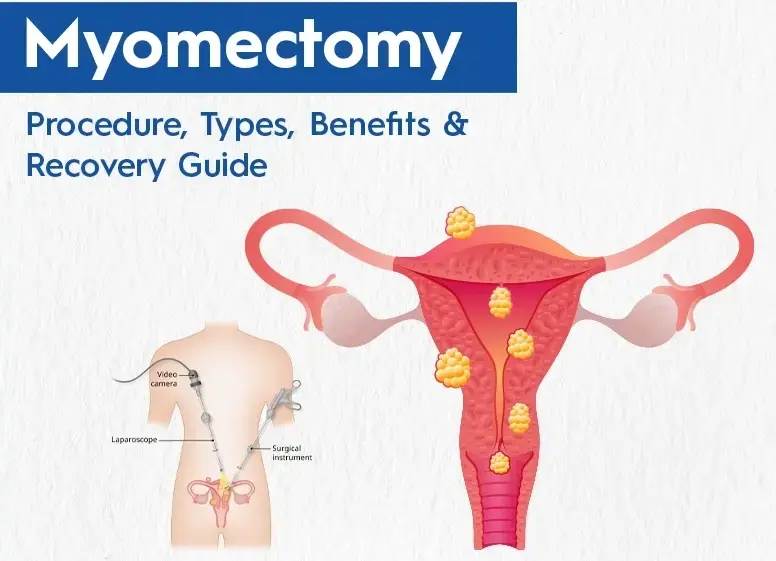
Myomectomy is a surgical operation to remove fibroids (noncancerous growths) from the uterus, aimed at relieving symptoms while maintaining fertility.
Trigger Foods to Avoid in a Diet
High-fat Foods
May increase estrogen levels, potentially worsening fibroids.
Processed Foods
Can promote inflammation and slow healing.
Caffeine
May worsen symptoms like pain or discomfort pre- and post-surgery.
Symptoms for Myomectomy
Heavy Menstrual Bleeding
Excessive bleeding during periods.
Pelvic Pain or Pressure
Discomfort or fullness in the lower abdomen.
Frequent Urination
Pressure on the bladder causing urgency.
Pain During Intercourse
Discomfort affecting sexual activity.
Enlarged Abdomen
Fibroids causing noticeable swelling.
Common Causes of Myomectomy
Hormonal Imbalance
Excess estrogen and progesterone can promote fibroid growth.
Genetic Factors
Family history increases risk of developing fibroids.
Age and Reproductive History
Common in women aged 30-40, especially those who have not had children.
Obesity
Higher body weight linked to increased risk.
Complications if Myomectomy Left Untreated
Bleeding
Risk of heavy bleeding during or after surgery.
Infection
Postoperative wound or pelvic infection.
Scar Tissue Formation
May affect future fertility or cause pain.
Recurrence of Fibroids
Fibroids can regrow, sometimes requiring repeat surgery.
Damage to Surrounding Organs
Rare injury to bladder or bowel during surgery.
Diagnosis
Diagnosis involves pelvic ultrasound, MRI, and sometimes hysteroscopy or biopsy.
Diagnostic Methods
- Pelvic Examination
- Ultrasound Imaging
- MRI Scan
- Hysteroscopy
- Blood Tests
Surgical Treatment Options
Our advanced surgical procedures provide effective, long-term relief
Recommended
Abdominal Myomectomy
Open surgery through an abdominal incision to remove fibroids.
Allows removal of large fibroids
Good for multiple or deep fibroids
Provides direct access to uterus
Recovery Time
4-6 weeks
Anesthesia
General
Laparoscopic Myomectomy
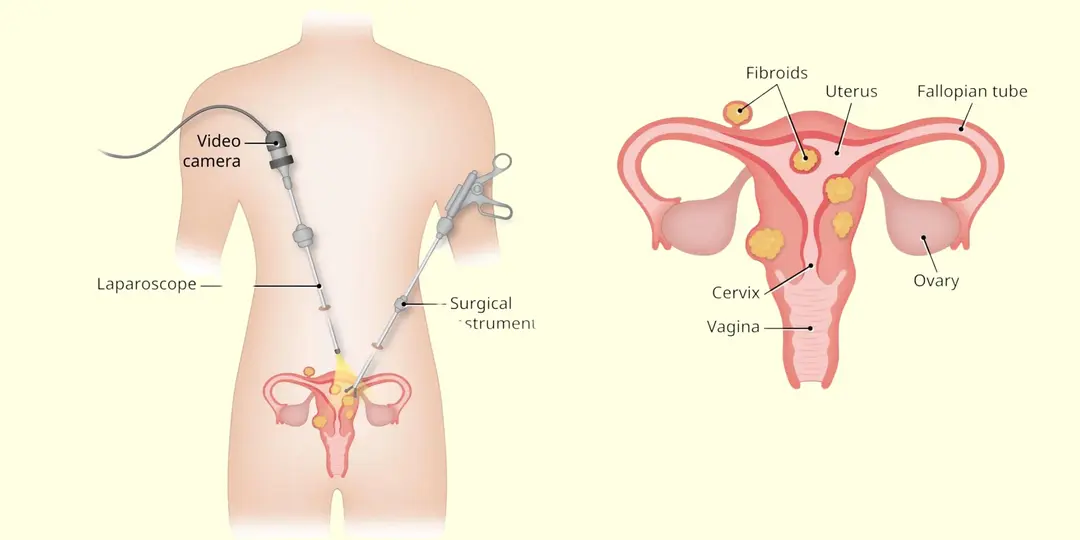
Minimally invasive removal of fibroids through small abdominal incisions.
Less pain and scarring
Faster recovery time
Shorter hospital stay
Recovery Time
2-4 weeks
Anesthesia
General
Hysteroscopic Myomectomy
Removal of fibroids via the vagina and cervix using a hysteroscope for submucosal fibroids.
No external incisions
Quick recovery
Effective for submucosal fibroids
Recovery Time
1-2 weeks
Anesthesia
General or local
Recommended
Abdominal Myomectomy
Open surgery through an abdominal incision to remove fibroids.
Allows removal of large fibroids
Good for multiple or deep fibroids
Provides direct access to uterus
Recovery Time
4-6 weeks
Anesthesia
General
Laparoscopic Myomectomy
Minimally invasive removal of fibroids through small abdominal incisions.
Less pain and scarring
Faster recovery time
Shorter hospital stay
Recovery Time
2-4 weeks
Anesthesia
General
Hysteroscopic Myomectomy
Removal of fibroids via the vagina and cervix using a hysteroscope for submucosal fibroids.
No external incisions
Quick recovery
Effective for submucosal fibroids
Recovery Time
1-2 weeks
Anesthesia
General or local
Preventive Measures
Medication
Hormonal treatments or pain management to control symptoms before surgery.
Uterine Artery Embolization
Minimally invasive procedure to shrink fibroids by blocking blood flow.
Myomectomy Types and Surgical Procedures
Abdominal Myomectomy
Description: Open surgery for large or multiple fibroids.
Surgical Procedure: Performed through a lower abdominal incision under general anesthesia.
Laparoscopic Myomectomy
Description: Minimally invasive surgery using small incisions and a camera.
Surgical Procedure: Performed with laparoscopic instruments under general anesthesia.
Hysteroscopic Myomectomy
Description: Removal of fibroids inside the uterus via the vagina and cervix.
Surgical Procedure: Uses a hysteroscope; no abdominal incisions needed.
Why choose Total Surgicare for Myomectomy Surgery?
0
Skilled Minimally Invasive Surgeons
Expertise in laparoscopic and hysteroscopic myomectomy techniques.
1
Preservation of Fertility
Focus on uterine preservation for women planning future pregnancies.
2
Comprehensive Care
From diagnosis to postoperative rehabilitation, personalized care plans.
3
Advanced Technology
State-of-the-art surgical equipment ensuring safety and quick recovery.