Umbilical Hernia Treatment – Safe & Effective Repair
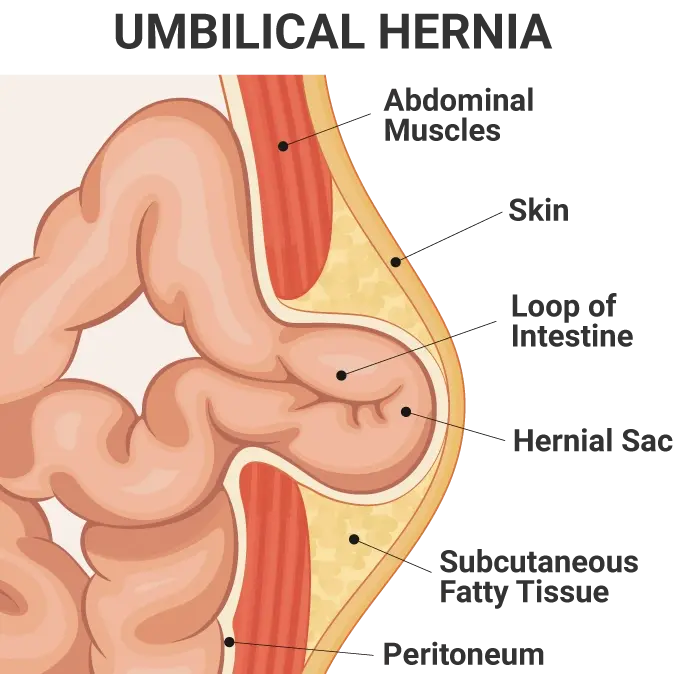
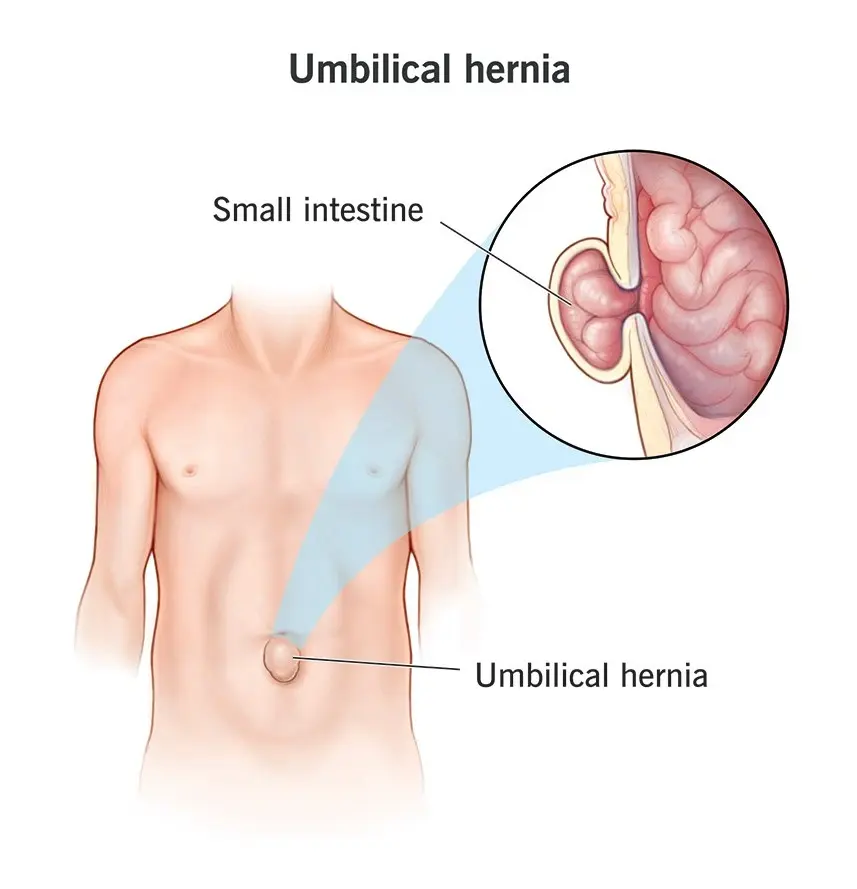
Umbilical hernia occurs when part of the intestine protrudes through the abdominal muscles near the navel. We provide advanced hernia repair with minimal discomfort and quick recovery.
Minimally Invasive
Advanced techniques with minimal pain
Modern Technology
State-of-the-art equipment
Expert Doctors
Specialized in treatment
Quick Recovery
Return to normal activities fast
Also Known As:
नाभि हर्निया (Hindi)नाभीचा काढा (Marathi)
Scroll for more information
Book an Appointment
What is Umbilical Hernia?
An umbilical hernia is a condition where part of the intestine bulges through the abdominal wall near the belly button. It is common in infants but can also occur in adults due to increased abdominal pressure.
Symptoms for Umbilical Hernia
Bulge Near Belly Button
Soft swelling near the navel
Pain or Discomfort
Especially when coughing, lifting, or bending
Swelling
More noticeable when standing or straining
Nausea
In cases of obstruction or strangulation
Vomiting
Occurs if blood flow is restricted
Constipation
May result from bowel entrapment
Common Causes of Umbilical Hernia
Incomplete Closure of Abdominal Wall
Common in newborns due to incomplete development
Obesity
Puts extra pressure on the abdominal muscles
Pregnancy
Increases abdominal pressure in women
Chronic Coughing
Strains the abdominal wall over time
Straining During Bowel Movements
Leads to weakening of abdominal muscles
Previous Abdominal Surgery
Can weaken the area around the navel
Risk Factors for Umbilical Hernia
Premature Birth
Increased chance due to underdeveloped abdominal wall
Obesity
Higher risk due to excess weight
Multiple Pregnancies
More strain on abdominal wall
Chronic Constipation
Frequent straining increases pressure
Abdominal Surgery
Weakens muscle around the umbilicus
Family History
Genetic predisposition to hernias
Complications if Umbilical Hernia Left Untreated
Strangulation
Cut-off blood supply to herniated tissue
Incarceration
Trapped hernia causing bowel obstruction
Bowel Obstruction
Entrapped intestine causes blockage
Infection
Can occur in case of tissue death
Rupture
Rare but serious tearing of herniated bowel
Recurrence
Possible if not repaired properly
Diagnosis
Diagnosis is made through a physical examination. Imaging is done in complex or unclear cases.
Diagnostic Methods
- Physical Exam (to detect bulge)
- Ultrasound (especially in infants or uncertain diagnosis)
- CT or MRI (for complications or surgical planning)
Surgical Treatment Options
Our advanced surgical procedures provide effective, long-term relief
Recommended
Umbilical Hernia Repair
Surgery to push the bulge back and reinforce the abdominal wall
Prevents complications
Provides permanent relief
Short recovery time
Recovery Time
1–2 weeks
Anesthesia
General or Local
Laparoscopic Repair
Minimally invasive approach for faster healing and less pain
Small incisions
Quick recovery
Low recurrence
Recovery Time
1 week
Anesthesia
General
Recommended
Umbilical Hernia Repair
Surgery to push the bulge back and reinforce the abdominal wall
Prevents complications
Provides permanent relief
Short recovery time
Recovery Time
1–2 weeks
Anesthesia
General or Local
Laparoscopic Repair
Minimally invasive approach for faster healing and less pain
Small incisions
Quick recovery
Low recurrence
Recovery Time
1 week
Anesthesia
General
Preventive Measures
Observation
In infants, many umbilical hernias close on their own by age 1–2
Hernia Belt or Binder
Supports the abdominal wall and reduces discomfort, especially in adults unfit for surgery
Weight Management
Losing excess weight helps reduce pressure on the hernia and prevent worsening
Avoiding Heavy Lifting
Prevents strain on the abdominal area and reduces risk of hernia enlargement or pain
Umbilical Hernia Types and Surgical Procedures
Congenital Umbilical Hernia
Description: Present at birth, often resolves on its own
Surgical Procedure: Surgical repair if persists beyond 2 years
Acquired Umbilical Hernia
Description: Occurs in adults due to strain or weakness
Surgical Procedure: Open or laparoscopic surgical repair
Incarcerated Umbilical Hernia
Description: Trapped tissue requiring emergency surgery
Surgical Procedure: Immediate open repair