Rectal Prolapse Treatment – Advanced Laser & Surgical Options
Rectal prolapse occurs when the rectum slips through the anus, causing discomfort and bowel issues. We offer effective laser-assisted and surgical treatments to restore normal function and improve quality of life.
Minimally Invasive
Advanced techniques with minimal pain
Modern Technology
State-of-the-art equipment
Expert Doctors
Specialized in treatment
Quick Recovery
Return to normal activities fast
Also Known As:
रेक्टल प्रोलैप्स (Hindi)मलद्वाराचा बाहेर पडणे (Marathi)
Scroll for more information
Book an Appointment
What is Rectal Prolapse?
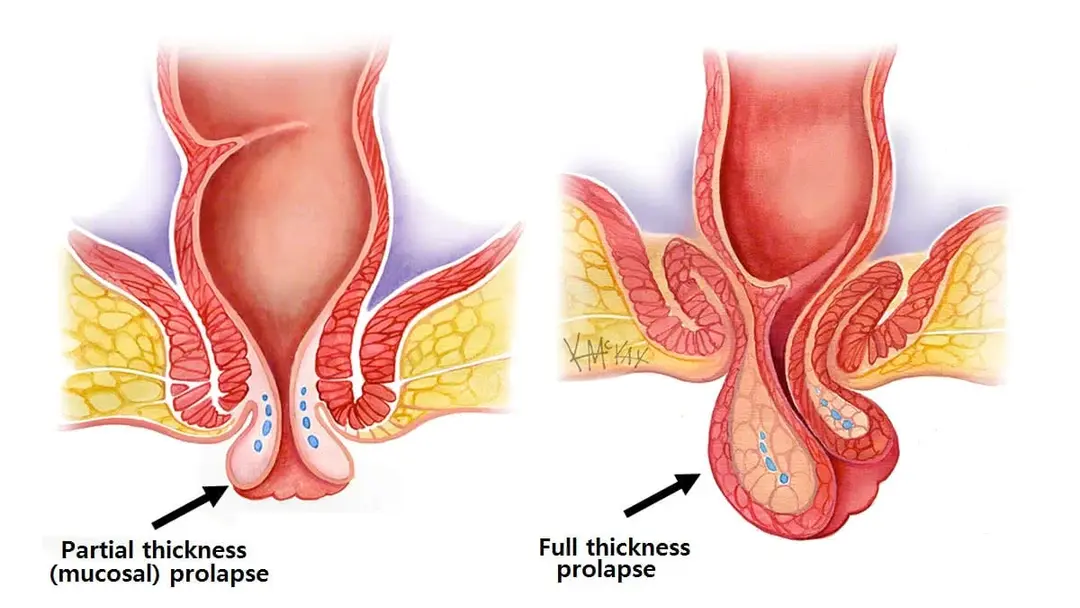
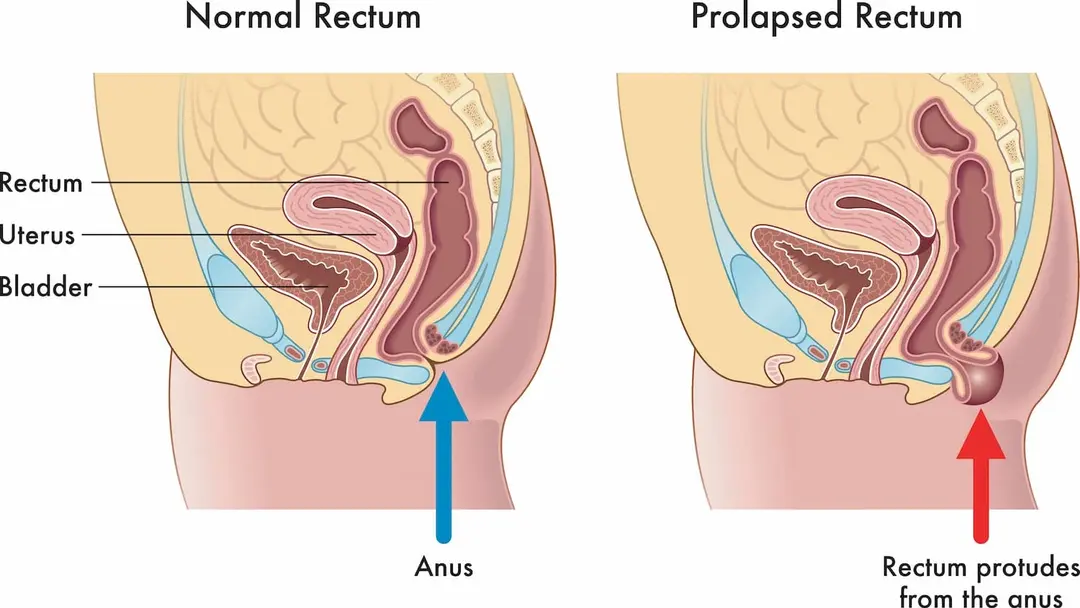
Rectal prolapse is a condition where the rectum, the final part of the large intestine, protrudes through the anus. It can happen during bowel movements or persist constantly. It's more common in older adults and women with a history of childbirth.
Trigger Foods to Avoid in a Diet
Spicy Foods
Can irritate the bowel and worsen symptoms
Low-Fiber Diet
Contributes to constipation, a key factor in prolapse
Caffeinated Beverages
May lead to dehydration and harder stools
Processed Foods
Lack essential nutrients and fiber
Dairy in Excess
Can slow bowel movements in some people
Red Meat
Hard to digest and may worsen constipation
Symptoms for Rectal Prolapse
Rectal Bulge
Protrusion of rectum through anus
Mucus Discharge
Slimy fluid from rectum
Incontinence
Loss of control over stool
Bleeding
Rectal bleeding or spotting
Feeling of Incomplete Evacuation
Sensation of not fully emptying bowels
Anal Itching or Pain
Due to prolapsed tissue irritation
Common Causes of Rectal Prolapse
Chronic Constipation
Straining during bowel movements weakens rectal support
Pelvic Floor Weakness
Due to aging or childbirth
Previous Surgeries
Especially around the pelvis or abdomen
Neurological Conditions
Affect nerves that control bowel function
Chronic Diarrhea
Frequent loose stools strain the rectum
Rectal Damage
From trauma or long-term hemorrhoids
Risk Factors for Rectal Prolapse
Older Age
Tissue support weakens over time
Female Gender
Especially after multiple childbirths
Chronic Constipation or Diarrhea
Increases rectal strain
Neurological Disorders
Affect bowel control
Previous Rectal Surgery
Weaken rectal attachments
Connective Tissue Disorders
Weaken ligaments and support
Complications if Rectal Prolapse Left Untreated
Ulceration
Prolapsed tissue may become ulcerated and painful
Rectal Bleeding
Due to friction and exposure
Incontinence
Loss of control over bowel movements
Strangulation
Blood supply cut off in severe prolapse
Chronic Irritation
May lead to itching, infection or discomfort
Social Embarrassment
Due to uncontrollable symptoms
Diagnosis
Rectal prolapse is diagnosed via physical examination. Additional tests help assess muscle function and identify underlying conditions.
Diagnostic Methods
- Physical examination during straining
- Proctoscopy or sigmoidoscopy to assess rectum
- Defecography (X-ray during bowel movement)
- Anal manometry to test muscle pressure
- MRI for pelvic floor assessment
Surgical Treatment Options
Our advanced surgical procedures provide effective, long-term relief
Recommended
Laser Rectopexy
Minimally invasive surgery to lift and fix the rectum using laser energy
No major incisions
Quick recovery
Low recurrence
Recovery Time
3–5 days
Anesthesia
Spinal or general
Abdominal Rectopexy
Rectum is repositioned and secured with mesh via abdominal incision
Effective for complete prolapse
Durable results
Recovery Time
1–2 weeks
Anesthesia
General
Perineal Rectosigmoidectomy (Altemeier Procedure)
Surgery through the perineum to remove the prolapsed rectum and reconnect the bowel.
Preferred for elderly or high-risk patients
No abdominal incision needed
Shorter hospital stay
Recovery Time
5–7 days
Anesthesia
Spinal or general
Recommended
Laser Rectopexy
Minimally invasive surgery to lift and fix the rectum using laser energy
No major incisions
Quick recovery
Low recurrence
Recovery Time
3–5 days
Anesthesia
Spinal or general
Abdominal Rectopexy
Rectum is repositioned and secured with mesh via abdominal incision
Effective for complete prolapse
Durable results
Recovery Time
1–2 weeks
Anesthesia
General
Perineal Rectosigmoidectomy (Altemeier Procedure)
Surgery through the perineum to remove the prolapsed rectum and reconnect the bowel.
Preferred for elderly or high-risk patients
No abdominal incision needed
Shorter hospital stay
Recovery Time
5–7 days
Anesthesia
Spinal or general
Preventive Measures
Dietary Modifications
High-fiber diet to ease bowel movements
Stool Softeners
To reduce straining and support healing
Pelvic Floor Therapy
Exercises to strengthen muscles and reduce prolapse
Lifestyle Changes
Avoid heavy lifting and improve bowel habits
Rectal Prolapse Types and Surgical Procedures
Complete Rectal Prolapse
Description: Entire rectum protrudes through the anus
Surgical Procedure: Surgical rectopexy is recommended
Partial Mucosal Prolapse
Description: Only rectal lining protrudes
Surgical Procedure: Can be managed conservatively or with minor surgery
Internal Rectal Prolapse
Description: Rectum folds inward but doesn’t exit the anus
Surgical Procedure: Pelvic floor therapy or rectopexy
Recurrent Prolapse
Description: Prolapse returns after treatment
Surgical Procedure: Re-evaluation and stronger surgical fix
Strangulated Prolapse
Description: Blood flow cut off – requires emergency treatment
Surgical Procedure: Urgent surgery needed
Why choose Total Surgicare for Rectal Prolapse Surgery?
0
Laser & Laparoscopic Rectal Repair
We use the latest surgical techniques for faster recovery, minimal pain, and long-term relief from rectal prolapse.
1
Experienced Colorectal Surgeons
Our experts deliver personalized treatment and follow-up care to ensure the best outcomes.