Best Kidney Stone Treatment in Mumbai with RIRS, PCNL and URSL
Looking for kidney stone treatment in Mumbai? Total Surgicare provides advanced treatment options including RIRS, PCNL, and URSL for kidney and urinary tract stones. These minimally invasive procedures are selected based on factors such as the stone's size, location, number, and the patient's overall health.
Advanced Stone Treatment
Modern endoscopic and laser-based procedures
RIRS
Suitable for selected kidney stones
PCNL
Used for larger or complex stones
URSL
Used for stones located in the ureter
Also Known As:
Book an Appointment
What are Kidney Stones?
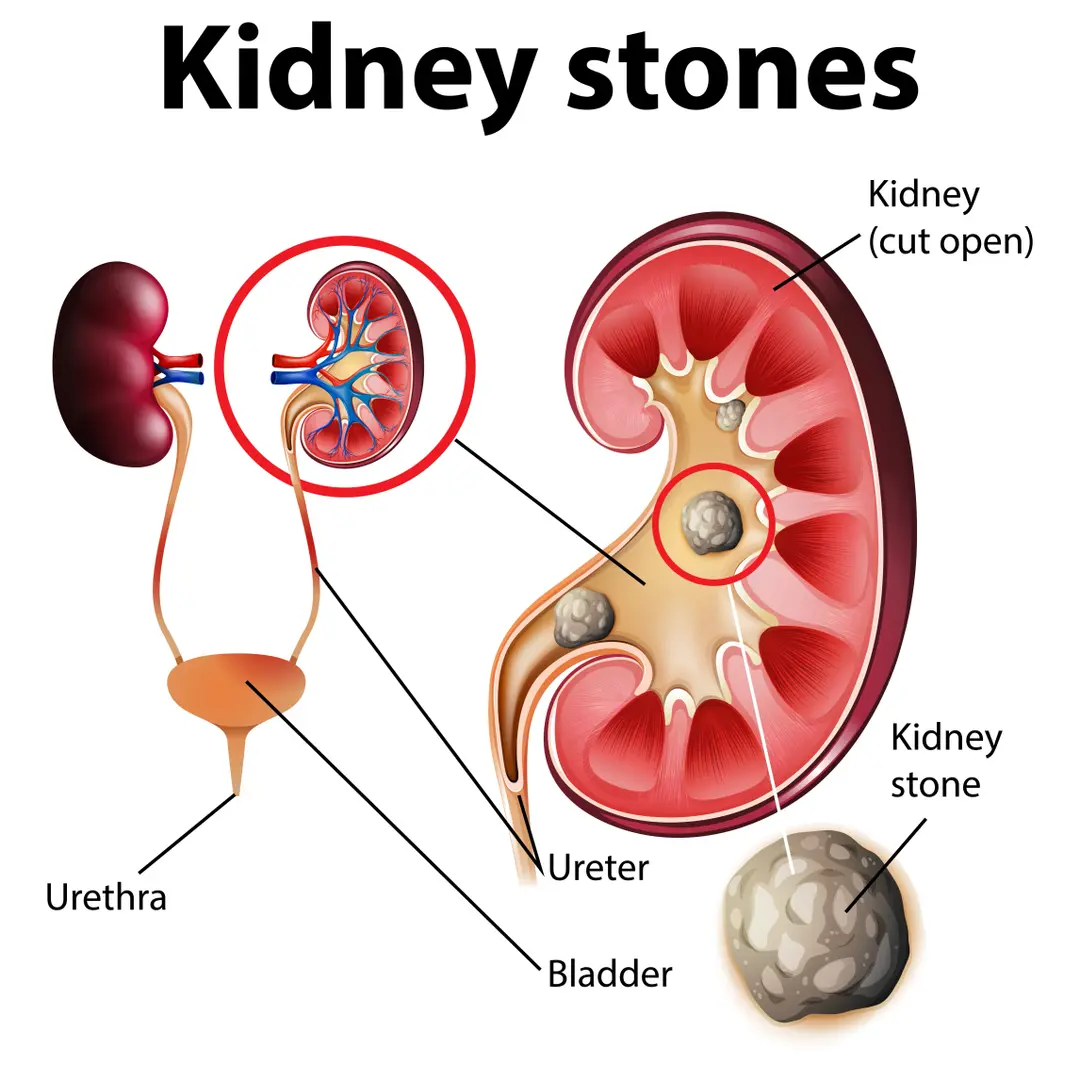
Kidney stones are hard, crystal-like deposits that form in the kidneys or urinary tract when certain minerals and salts become concentrated in the urine. They can vary in size, and smaller stones may sometimes pass naturally through the urinary system without surgical treatment. However, larger stones or stones that become lodged in the urinary tract can cause significant pain and difficulty passing urine. Common symptoms may include severe pain in the side or back, pain that spreads toward the lower abdomen or groin, blood in the urine, burning while urinating, frequent urination, nausea, or vomiting. When a stone blocks the normal flow of urine, it can lead to urinary obstruction, swelling of the kidney, or infection.
Symptoms for Kidney Stone
Severe Pain in the Side or Back
Intense pain below the ribs, often in waves
Pain Spreading to Groin
Pain moving toward the lower abdomen or groin
Blood in Urine
Pink, red or brown discolouration of urine
Burning While Urinating
Stinging or burning as urine passes
Frequent Urination
Needing to pass urine more often than usual
Nausea or Vomiting
Often accompanies severe stone pain
Difficulty Passing Urine
Weak stream or inability to pass urine
Fever or Chills
Present when the stone is associated with infection
Common Causes of Kidney Stone
Low Fluid Intake
Concentrated urine allows crystals to form
High Salt Consumption
Excess sodium increases calcium in urine
Certain Dietary Patterns
Diets that raise stone-forming substances
Family History
Kidney stones often run in families
Previous Kidney Stones
A past stone raises the risk of another
Certain Metabolic Conditions
Conditions altering mineral handling by the kidneys
Recurrent Urinary Infections
Some infections encourage stone formation
Risk Factors for Kidney Stone
Dehydration
Not drinking enough fluid through the day
Family History
A close relative who has had stones
High-Sodium Diet
Excess salt in everyday meals
High Animal Protein Intake
Large amounts of certain animal proteins
Obesity
Higher body weight increases stone risk
Sedentary Lifestyle
Low physical activity levels
Digestive or Metabolic Conditions
Conditions affecting absorption and mineral balance
Complications if Kidney Stone Left Untreated
Urinary Obstruction
A stone blocking the flow of urine
Hydronephrosis
Swelling of the kidney due to trapped urine
Recurrent Urinary Infections
Repeated infections of the urinary tract
Kidney Damage
Prolonged obstruction can harm kidney function
Severe Pain
Repeated episodes of disabling pain
Infection with Obstruction
A blocked, infected system needs urgent treatment
Diagnosis
The doctor evaluates symptoms along with imaging and laboratory investigations to identify the size and location of the stone.
Diagnostic Methods
- Ultrasound
- CT scan
- Urine examination
- Urine culture when infection is suspected
- Blood tests
- Kidney function tests
Surgical Treatment Options
Our advanced surgical procedures provide effective, long-term relief
RIRS
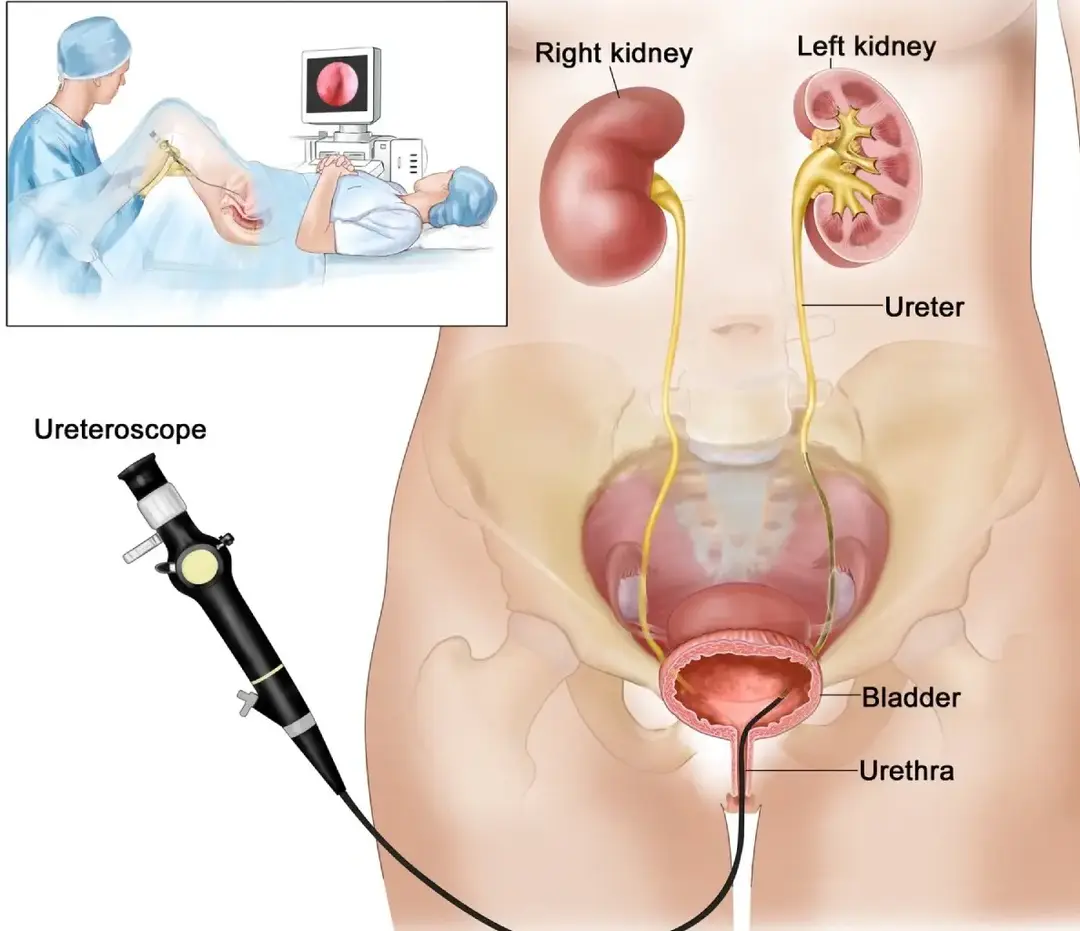
Retrograde Intrarenal Surgery uses a flexible scope passed through the natural urinary passage to reach stones inside the kidney. A laser may be used to fragment the stone.
Recovery Time
As advised by the urologist
Anesthesia
General or regional
PCNL
Percutaneous Nephrolithotomy involves creating a small access tract through the back to reach and remove larger kidney stones.
Recovery Time
Depends on stone size and complexity
Anesthesia
General
URSL
Ureteroscopic Lithotripsy uses a thin scope passed through the urinary tract to reach stones in the ureter. Laser energy can be used to break the stone.
Recovery Time
As advised by the urologist
Anesthesia
General or regional
RIRS
Retrograde Intrarenal Surgery uses a flexible scope passed through the natural urinary passage to reach stones inside the kidney. A laser may be used to fragment the stone.
Recovery Time
As advised by the urologist
Anesthesia
General or regional
PCNL
Percutaneous Nephrolithotomy involves creating a small access tract through the back to reach and remove larger kidney stones.
Recovery Time
Depends on stone size and complexity
Anesthesia
General
URSL
Ureteroscopic Lithotripsy uses a thin scope passed through the urinary tract to reach stones in the ureter. Laser energy can be used to break the stone.
Recovery Time
As advised by the urologist
Anesthesia
General or regional
Preventive Measures
Drink Adequate Water
Follow the fluid intake advised by your doctor.
Reduce Excessive Salt
Lower sodium intake to reduce calcium in urine.
Maintain a Balanced Diet
Avoid extremes of any single food group.
Avoid High-Dose Supplements
Take supplements only when medically advised.
Maintain a Healthy Weight
Weight control lowers recurrence risk.
Follow Stone-Prevention Advice
Stone-specific dietary guidance after treatment.
Attend Follow-Up Appointments
Regular review helps catch new stones early.
Kidney Stone Types and Surgical Procedures
Calcium Stones
Description: The most common type of kidney stone, often made from calcium oxalate or calcium phosphate.
Surgical Procedure: RIRS, URSL or PCNL - Selected depending on stone size and location.
Uric Acid Stones
Description: These stones may form when urine is persistently acidic.
Surgical Procedure: Medical Management - Considered in selected cases, while RIRS, URSL or PCNL may be required depending on stone characteristics.
Struvite Stones
Description: These stones are associated with certain urinary tract infections and may become large.
Surgical Procedure: Surgical Stone Clearance - Combined with appropriate infection management.
Cystine Stones
Description: Rare stones associated with an inherited condition affecting cystine handling by the kidneys.
Surgical Procedure: Stone Removal - Followed by long-term preventive management.
Why choose Total Surgicare for Kidney Stone Surgery?
RIRS, PCNL and URSL Options
Multiple treatment approaches based on stone characteristics.
Experienced Urology Team
Treatment planned according to individual needs.
Minimally Invasive Techniques
Modern endoscopic procedures where appropriate.
Complete Follow-Up Care
Support for recovery and prevention of recurrence.
FAQS
Frequently Asked Questions — Kidney Stone
Answers to common questions about kidney stone at Total Surgicare.
Need Help?
If you can't find the answer to your question, please don't hesitate to contact our customer support team.