Best Piles Treatment in Mumbai with Advanced Laser Surgery
Looking for piles treatment in Mumbai? Total Surgicare provides comprehensive evaluation and treatment for hemorrhoids using modern techniques, including laser treatment and other minimally invasive surgical options. Our surgical team first assesses the grade of piles, severity of symptoms, duration of the condition, and overall health before recommending a suitable treatment approach.
Laser Treatment
Minimally invasive option for selected cases
Less Surgical Trauma
Designed to reduce tissue damage
Experienced Proctology Team
Specialized care for anorectal conditions
Complete Recovery Support
Guidance before and after treatment
Also Known As:
Book an Appointment
What are Piles?
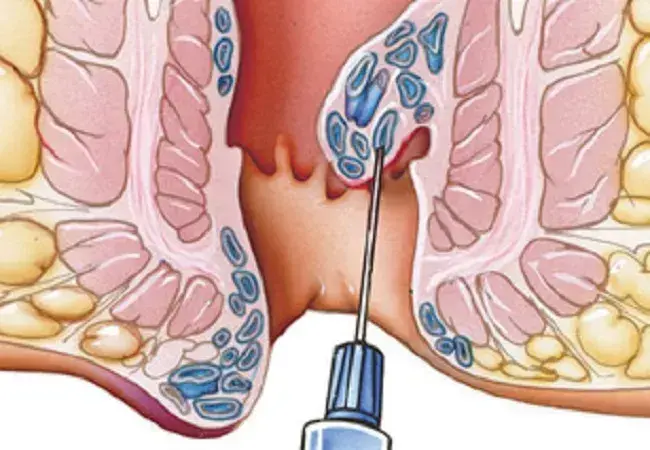
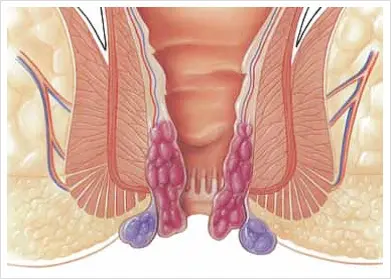
Piles, medically known as hemorrhoids, are swollen blood vessels and supporting tissues around the anus and lower rectum. They can develop inside the rectum as internal hemorrhoids or around the anal opening as external hemorrhoids. Depending on their type and severity, piles may cause symptoms such as bleeding, itching, swelling, discomfort, pain, or a feeling of tissue protruding from the anus. Piles can develop due to factors such as chronic constipation, straining during bowel movements, prolonged sitting, a low-fibre diet, pregnancy, or increased pressure around the rectal area. While mild hemorrhoids may improve with dietary and lifestyle changes, persistent or advanced piles may require medical or surgical treatment.
Symptoms for Piles
Bright Red Bleeding
Bleeding during or after bowel movements
Pain or Discomfort
Soreness around the anal region
Itching Around the Anus
Persistent irritation and itching
Swelling
Swollen tissue around the anal opening
A Lump Near the Anus
A palpable lump at the anal margin
Prolapse
Tissue protruding during bowel movements
Mucus or Irritation
Mucus discharge and skin irritation in some cases
Common Causes of Piles
Chronic Constipation
Hard stools increase pressure on anal veins
Straining During Bowel Movements
Repeated straining enlarges hemorrhoidal tissue
Low-Fibre Diet
Leads to harder stools and constipation
Prolonged Sitting
Long hours seated raise rectal pressure
Pregnancy
Increased pressure in the pelvic region
Obesity
Higher body weight adds abdominal pressure
Repeated Diarrhoea
Frequent loose stools irritate the anal canal
Heavy Lifting
Straining while lifting in some individuals
Risk Factors for Piles
Long-Term Constipation
Ongoing difficulty passing stool
Sedentary Lifestyle
Low activity slows bowel movement
Low Dietary Fibre
Insufficient fibre in daily meals
Pregnancy
More common during pregnancy and after delivery
Increased Body Weight
Extra weight raises pressure on anal veins
Family History
A family tendency towards hemorrhoids
Repeated Straining
Habitual straining during bowel movements
Complications if Piles Left Untreated
Persistent Bleeding
Ongoing blood loss during bowel movements
Anaemia
In cases of significant ongoing blood loss
Thrombosed Hemorrhoids
A painful clot forming within the hemorrhoid
Prolapsed Hemorrhoids
Tissue that no longer returns inside
Persistent Pain
Continuing pain or discomfort
Skin Irritation
Chronic irritation of the surrounding skin
Diagnosis
A surgeon or proctologist may diagnose piles through a physical examination and, when necessary, an internal examination of the anal canal.
Diagnostic Methods
- Physical examination
- Digital rectal examination
- Anoscopy
- Proctoscopy
- Colonoscopy when clinically indicated
Surgical Treatment Options
Our advanced surgical procedures provide effective, long-term relief
Laser Hemorrhoid Treatment
Laser treatment may be recommended for selected patients to treat symptomatic hemorrhoidal tissue with a minimally invasive approach.
Recovery Time
Depends on severity and procedure performed
Anesthesia
Local with sedation, or regional
Stapled Hemorrhoidopexy
A stapling technique may be considered for selected cases involving prolapsed internal hemorrhoids.
Recovery Time
As advised by the surgeon
Anesthesia
Regional or general
Conventional Hemorrhoidectomy
Surgical removal of hemorrhoidal tissue may be recommended for advanced, large or complicated hemorrhoids.
Recovery Time
Longer than minimally invasive options
Anesthesia
Regional or general
Laser Hemorrhoid Treatment
Laser treatment may be recommended for selected patients to treat symptomatic hemorrhoidal tissue with a minimally invasive approach.
Recovery Time
Depends on severity and procedure performed
Anesthesia
Local with sedation, or regional
Stapled Hemorrhoidopexy
A stapling technique may be considered for selected cases involving prolapsed internal hemorrhoids.
Recovery Time
As advised by the surgeon
Anesthesia
Regional or general
Conventional Hemorrhoidectomy
Surgical removal of hemorrhoidal tissue may be recommended for advanced, large or complicated hemorrhoids.
Recovery Time
Longer than minimally invasive options
Anesthesia
Regional or general
Preventive Measures
Eat Adequate Dietary Fibre
Softer stools reduce straining.
Drink Sufficient Water
Hydration keeps stools easy to pass.
Avoid Excessive Straining
Straining worsens hemorrhoidal swelling.
Do Not Delay Bowel Movements
Respond promptly to the urge to pass stool.
Exercise Regularly
Activity improves bowel regularity.
Avoid Sitting for Long Periods
Take breaks from continuous sitting.
Maintain a Healthy Body Weight
Reduces pressure on the anal region.
Piles Types and Surgical Procedures
Grade I
Description: Hemorrhoids remain inside the anal canal and may mainly cause bleeding.
Surgical Procedure: Lifestyle Changes and Medication - Minimally invasive treatment when required.
Grade II
Description: Hemorrhoids may protrude during bowel movements but return inside on their own.
Surgical Procedure: Conservative or Minimally Invasive Treatment - Selected depending on symptoms.
Grade III
Description: Hemorrhoids protrude during bowel movements and may require manual reduction.
Surgical Procedure: Surgical or Minimally Invasive Procedures - Based on individual assessment.
Grade IV
Description: Hemorrhoids remain prolapsed and cannot be pushed back inside.
Surgical Procedure: Surgical Management - Recommended for permanently prolapsed hemorrhoids.
Why choose Total Surgicare for Piles Surgery?
Advanced Treatment Options
Laser and surgical techniques based on the condition.
Experienced Proctology Team
Specialized evaluation and treatment.
Individual Treatment Planning
The procedure is selected according to piles grade and symptoms.
Complete Post-Treatment Care
Recovery and lifestyle guidance after treatment.
FAQS
Frequently Asked Questions — Piles
Answers to common questions about piles at Total Surgicare.
Need Help?
If you can't find the answer to your question, please don't hesitate to contact our customer support team.