Best Fissure Treatment in Pune – Painless Laser Surgery
Searching for the best fissure treatment in Pune? Total Surgicare's Wanowarie clinic offers advanced laser fissure surgery that heals painful tears in the anal lining with minimal downtime — most patients are back to normal life within a week.
Minimally Invasive
Precise laser technique
Modern Technology
Advanced surgical equipment
Expert Proctologists
Specialized fissure care
Fast Healing
Reduced recovery time
Also Known As:
Book an Appointment
What is an Anal Fissure?
An anal fissure is a small tear in the lining of the anus, often caused by passing hard or large stools. It can cause sharp pain and bleeding during bowel movements and, if left untreated, may become a chronic, recurring problem.

Trigger Foods to Avoid in a Diet
Spicy Foods
Irritate the anal lining further
Low-Fiber Processed Foods
Worsen constipation
Refined Flour (Maida) Products
Slow digestion, hardening stool
Excess Dairy
Can cause constipation in some people
Caffeine & Alcohol
Dehydrate the body, hardening stool
Red Meat in Excess
Slower digestion increases straining risk
Symptoms for Fissure
Sharp Pain During Bowel Movements
Often severe and burning
Bleeding
Bright red blood on stool or toilet paper
Visible Tear
A crack visible around the anal opening
Itching
Around the fissure site
Muscle Spasm
Anal sphincter spasm after passing stool
Skin Tag Formation
In chronic, long-standing fissures
Common Causes of Fissure
Chronic Constipation
Straining tears the anal lining
Chronic Diarrhea
Repeated irritation of the anal canal
Childbirth
Trauma during vaginal delivery
Anal Sphincter Spasm
Reduces blood flow, delaying healing
Inflammatory Bowel Disease
Crohn's disease increases risk
Reduced Blood Flow
Poor circulation slows tissue repair
Risk Factors for Fissure
Low-Fiber Diet
Leads to hard stools and straining
Sedentary Lifestyle
Slower bowel motility
Pregnancy & Childbirth
Increased pressure and trauma
Age
More common in middle-aged adults
Chronic Constipation History
Repeated tearing risk
Anal Intercourse
Can increase mechanical trauma
Complications if Fissure Left Untreated
Chronic Fissure
Lasting beyond 6 weeks, harder to treat
Sphincter Spasm & Scarring
Reduced anal flexibility
Skin Tags
Persistent tissue growth (sentinel pile)
Infection
Open wound susceptibility
Fistula Formation
In rare, long-neglected cases
Persistent Pain
Impacting quality of life
Diagnosis
Diagnosis is typically made through a visual examination of the anal area. In chronic or unclear cases, further tests may be used to rule out other conditions.
Diagnostic Methods
- Visual examination of the anal region
- Digital rectal examination (if tolerated)
- Anoscopy for internal assessment
- Additional imaging for suspected IBD or complex fissures
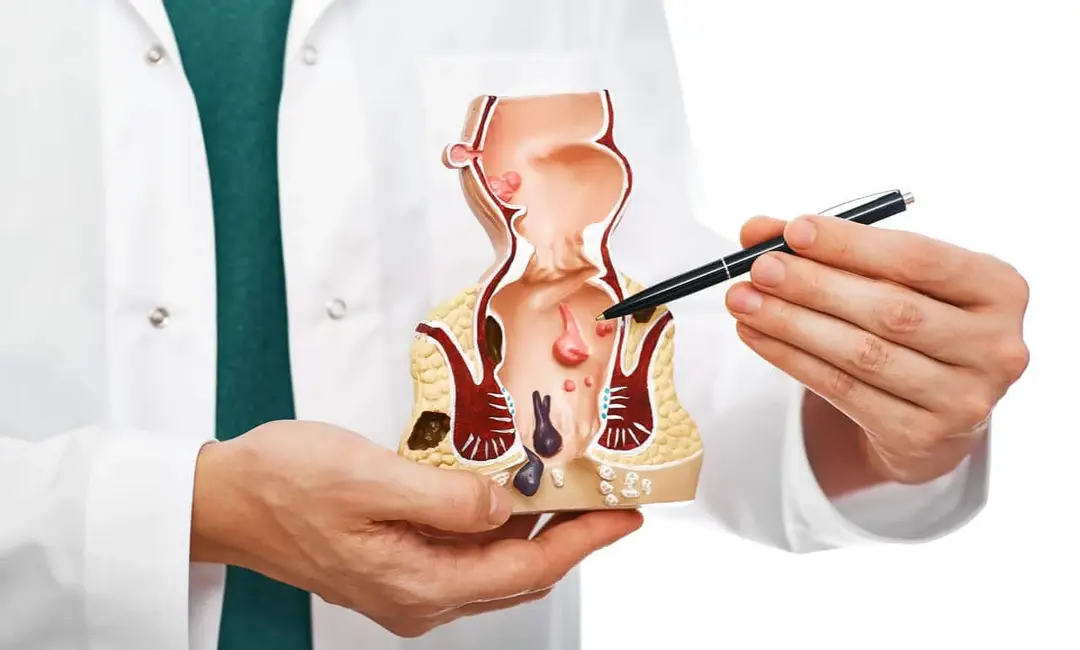
Surgical Treatment Options
Our advanced surgical procedures provide effective, long-term relief
Laser Sphincterotomy
A precise laser technique that relaxes the internal anal sphincter, improving blood flow and allowing the fissure to heal.
Recovery Time
5–7 days
Anesthesia
Local with sedation
Lateral Internal Sphincterotomy (LIS)
Traditional surgical division of a small portion of the internal sphincter muscle to relieve spasm and promote healing.
Recovery Time
1–2 weeks
Anesthesia
Local or general
Fissurectomy
Surgical removal of the fissure edge and any associated skin tag, often combined with sphincter-relaxing treatment.
Recovery Time
1–2 weeks
Anesthesia
Local or general
Laser Sphincterotomy
A precise laser technique that relaxes the internal anal sphincter, improving blood flow and allowing the fissure to heal.
Recovery Time
5–7 days
Anesthesia
Local with sedation
Lateral Internal Sphincterotomy (LIS)
Traditional surgical division of a small portion of the internal sphincter muscle to relieve spasm and promote healing.
Recovery Time
1–2 weeks
Anesthesia
Local or general
Fissurectomy
Surgical removal of the fissure edge and any associated skin tag, often combined with sphincter-relaxing treatment.
Recovery Time
1–2 weeks
Anesthesia
Local or general
Preventive Measures
High-Fiber Diet
Softens stool, reduces straining
Stay Hydrated
Prevents hard stools
Avoid Prolonged Straining
Respond promptly to urges
Warm Sitz Baths
Relax the anal sphincter
Regular Exercise
Improves bowel regularity
Avoid Delaying Bowel Movements
Prevents stool hardening
Fissure Types and Surgical Procedures
Acute Fissure
Description: Recent tear, usually heals with diet changes and topical treatment within a few weeks.
Surgical Procedure: Medical Management - Fiber, stool softeners, topical nitroglycerin or calcium channel blockers.
Chronic Fissure
Description: Persists beyond 6–8 weeks, often with a visible skin tag and sphincter spasm.
Surgical Procedure: Laser Sphincterotomy - Relieves spasm and promotes healing.
Recurrent Fissure
Description: Fissures that heal and reopen repeatedly despite treatment.
Surgical Procedure: Lateral Internal Sphincterotomy - Long-term muscle relaxation for durable healing.
Fissure with Skin Tag
Description: Chronic fissures accompanied by a sentinel skin tag at the edge.
Surgical Procedure: Fissurectomy - Removes fibrosed tissue and tag along with fissure repair.
Why choose Total Surgicare for Fissure Surgery?
Advanced Laser Sphincterotomy
Fast, precise treatment completed within minutes, with same-day discharge.
FREE Consultation with Experienced Proctologists
8–15 years of specialized experience.
Quick Recovery
Most patients heal within a week.
End-to-End Insurance Assistance
We manage claims and paperwork for you.
FAQS
Frequently Asked Questions — Fissure
Answers to common questions about fissure at Total Surgicare.
Need Help?
If you can't find the answer to your question, please don't hesitate to contact our customer support team.