Best Gall Bladder Surgery in Pune – Laparoscopic Cholecystectomy
Need gall bladder surgery in Pune? Total Surgicare's Wanowarie clinic specializes in laparoscopic cholecystectomy — the safe, minimally invasive removal of a diseased gallbladder — performed by experienced surgeons with fast, comfortable recovery.
Keyhole Surgery
Small incisions, minimal scarring
Advanced Laparoscopic Tech
Camera-guided precision
Expert Surgeons
Specialized in hepatobiliary surgery
Fast Recovery
Normal diet and routine within a week
Also Known As:
Book an Appointment
What is Gall Bladder Surgery?
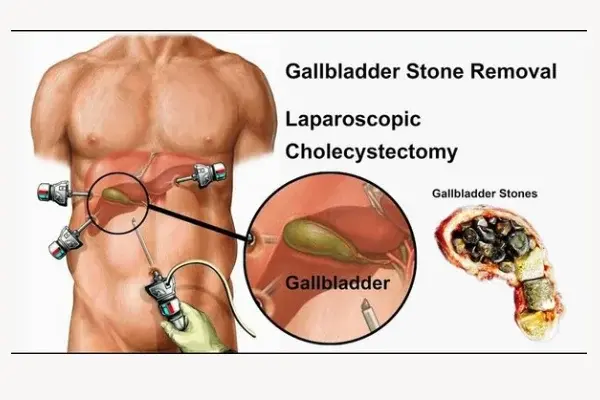
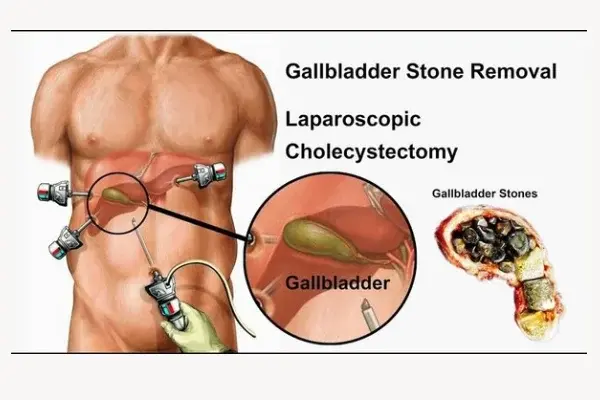
Gall bladder surgery, or cholecystectomy, is the surgical removal of the gallbladder — a small organ that stores bile for digestion. It's most commonly performed to treat gallstones, gallbladder inflammation, or polyps, and the body functions normally afterward without it.
Trigger Foods to Avoid in a Diet
Fried and Greasy Foods
Can trigger painful gallbladder attacks
High-Fat Dairy
May worsen symptoms pre-surgery
Spicy Foods
Can aggravate digestive discomfort
Processed Snacks
High fat, low nutrition
Excess Red Meat
Harder to digest, strains the gallbladder
Carbonated Drinks
Can worsen bloating and discomfort
Symptoms for Gall Bladder
Recurring Abdominal Pain
Especially after fatty meals
Gallbladder Attacks
Sudden, intense pain episodes
Jaundice
Yellowing skin/eyes from bile duct blockage
Chronic Nausea
Persistent digestive discomfort
Fever with Abdominal Pain
Sign of gallbladder infection
Gallbladder Polyps
Growths detected on imaging
Common Causes of Gall Bladder
Symptomatic Gallstones
Most common reason for removal
Acute Cholecystitis
Gallbladder inflammation/infection
Biliary Colic
Recurrent pain from stone blockage
Gallbladder Polyps
Especially larger or suspicious growths
Pancreatitis from Gallstones
Stones affecting the pancreas
Porcelain Gallbladder
Calcified gallbladder wall, cancer risk factor
Risk Factors for Gall Bladder
Female Gender
Higher incidence, especially during pregnancy
Age Over 40
Increased risk of gallbladder disease
Obesity
Strong link to gallbladder problems
Family History
Genetic predisposition to gallstones
Rapid Weight Loss
Can trigger stone formation
Diabetes
Associated with higher complication risk
Complications if Gall Bladder Left Untreated
Gallbladder Rupture
Rare, life-threatening emergency
Spreading Infection
Can progress to sepsis
Bile Duct Injury from Delayed Treatment
Higher complexity later
Pancreatitis
From migrated gallstones
Chronic Pain
Ongoing discomfort affecting daily life
Increased Surgical Risk
Inflammation makes later surgery harder
Diagnosis
Diagnosis combines imaging to visualize the gallbladder and any stones or polyps, along with blood tests to check for infection or bile duct involvement.
Diagnostic Methods
- Abdominal ultrasound
- Blood tests (liver function, infection markers)
- HIDA scan for gallbladder function assessment
- CT/MRCP for complex or unclear cases
Surgical Treatment Options
Our advanced surgical procedures provide effective, long-term relief
Laparoscopic Cholecystectomy
Keyhole surgery using 3–4 small incisions and a camera to remove the gallbladder with precision.
Recovery Time
5–7 days
Anesthesia
General
Single-Incision Laparoscopic Surgery (SILS)
An advanced technique using a single small incision, often at the navel, for an even less visible scar.
Recovery Time
5–7 days
Anesthesia
General
Open Cholecystectomy
Traditional surgery through a larger incision, reserved for complicated or high-risk cases.
Recovery Time
3–4 weeks
Anesthesia
General
Laparoscopic Cholecystectomy
Keyhole surgery using 3–4 small incisions and a camera to remove the gallbladder with precision.
Recovery Time
5–7 days
Anesthesia
General
Single-Incision Laparoscopic Surgery (SILS)
An advanced technique using a single small incision, often at the navel, for an even less visible scar.
Recovery Time
5–7 days
Anesthesia
General
Open Cholecystectomy
Traditional surgery through a larger incision, reserved for complicated or high-risk cases.
Recovery Time
3–4 weeks
Anesthesia
General
Preventive Measures
Maintain a Healthy Weight
Reduces surgical risk
Eat a Low-Fat Diet Pre-Surgery
Minimizes symptom flare-ups
Stay Hydrated
Supports overall recovery
Follow Pre-Op Fasting Instructions
As advised by your surgical team
Disclose All Medications
To your surgeon before the procedure
Arrange Post-Op Support
Help at home for the first few days
Gall Bladder Types and Surgical Procedures
Symptomatic Gallstones
Description: Recurrent pain from stones without complications.
Surgical Procedure: Laparoscopic Cholecystectomy - standard first-line treatment.
Acute Cholecystitis
Description: Inflamed, infected gallbladder requiring prompt treatment.
Surgical Procedure: Laparoscopic Cholecystectomy - ideally within 72 hours of onset.
Complicated/Scarred Gallbladder
Description: Severe inflammation or prior surgery causing dense scar tissue.
Surgical Procedure: Open Cholecystectomy - for safe, complete removal.
Gallbladder Polyps
Description: Growths on the gallbladder wall, monitored or removed based on size.
Surgical Procedure: Laparoscopic Cholecystectomy - if polyps are large or symptomatic.
Why choose Total Surgicare for Gall Bladder Surgery?
Advanced Laparoscopic & SILS Techniques
Minimal scarring with faster recovery.
FREE Consultation with Experienced Surgeons
8–15 years of hepatobiliary surgery experience.
Quick Recovery
Most patients return to normal diet and routine within a week.
End-to-End Insurance Assistance
We manage claims and paperwork for you.
FAQS
Frequently Asked Questions — Gall Bladder
Answers to common questions about gall bladder at Total Surgicare.
Need Help?
If you can't find the answer to your question, please don't hesitate to contact our customer support team.