Best Piles Treatment in Pune – Laser & Painless Piles Surgery
Looking for piles treatment in Pune? Total Surgicare's Wanowarie clinic offers advanced laser piles surgery, a painless, daycare procedure with no cuts or stitches performed by experienced proctology surgeons with quick recovery and minimal downtime.
Laser Technology
No cuts, no stitches
Painless Procedure
Minimal post-op discomfort
Expert Surgeons
Specialized in proctology
Same-Day Discharge
Back home within hours
Also Known As:
Book an Appointment
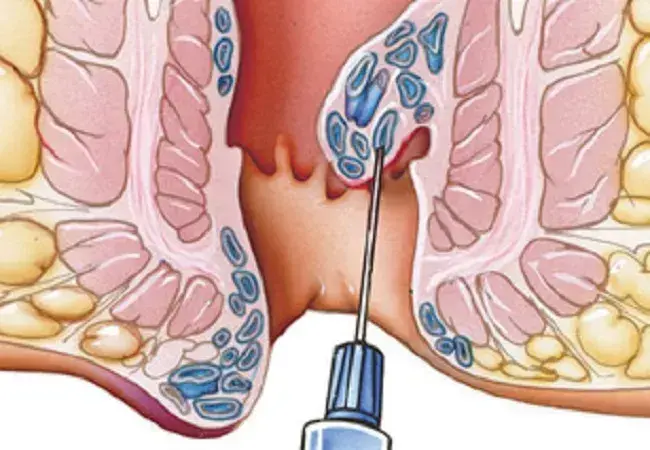
What is Piles Surgery?
Piles surgery, or hemorrhoidectomy/laser hemorrhoidoplasty, is the surgical treatment of swollen blood vessels in and around the anus and lower rectum. It's most commonly performed to treat chronic bleeding, prolapse, or pain that hasn't responded to diet and medication, and normal bowel function returns afterward.
Trigger Foods to Avoid in a Diet
Spicy Foods
Can trigger irritation and burning
Fried and Oily Foods
Slow digestion, worsen constipation
Red Meat
Low fiber, harder to digest
Refined Carbs (white bread, maida)
Contribute to constipation
Caffeinated Drinks
Can cause dehydration and straining
Alcohol
Dehydrates and irritates the digestive tract
Symptoms for Piles
Rectal Bleeding
Bright red blood during or after bowel movements
Anal Pain or Discomfort
Especially while sitting or passing stool
Itching Around the Anus
Persistent irritation
A Lump Near the Anus
Swollen, sometimes painful tissue
Mucus Discharge
Accompanying bowel movements
Feeling of Incomplete Evacuation
Even after passing stool
Common Causes of Piles
Grade III/IV Hemorrhoids
Prolapsed piles not responding to conservative care
Chronic Bleeding
Leading to anemia if untreated
Recurring Pain
Affecting daily activities
Thrombosed Piles
Painful clotted external hemorrhoids
Failed Medical Management
No relief from diet, medication, or home care
Prolapse
Piles that protrude and don't retract on their own
Risk Factors for Piles
Chronic Constipation
Straining increases pressure on rectal veins
Prolonged Sitting
Common in desk jobs and long commutes
Pregnancy
Increased pelvic pressure
Low-Fiber Diet
Leads to harder stools and straining
Obesity
Added pressure on pelvic and rectal veins
Family History
Genetic predisposition to hemorrhoids
Complications if Piles Left Untreated
Chronic Anemia
From ongoing blood loss
Thrombosis
Painful clot formation in external piles
Strangulated Hemorrhoids
Blood supply cut off, requiring urgent care
Infection
Ulceration and infection of prolapsed tissue
Chronic Pain
Ongoing discomfort affecting daily life
Increased Surgical Risk
Advanced grades are harder to treat later
Diagnosis
Diagnosis is usually clinical, based on a physical and rectal examination, with additional tests used to rule out other causes of bleeding or confirm the grade of piles.
Diagnostic Methods
- Digital rectal examination
- Proctoscopy/anoscopy
- Colonoscopy (to rule out other conditions, if indicated)
- Blood tests (to check for anemia)
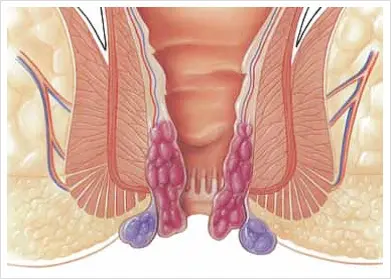
Surgical Treatment Options
Our advanced surgical procedures provide effective, long-term relief
Laser Piles Surgery (LHP)
A minimally invasive procedure using laser energy to shrink and seal hemorrhoidal tissue without cuts or stitches.
Recovery Time
2–3 days
Anesthesia
Local/Spinal
Stapled Hemorrhoidopexy (MIPH)
A stapling technique that repositions prolapsed hemorrhoidal tissue and cuts off its blood supply.
Recovery Time
1 week
Anesthesia
Spinal/General
Conventional Hemorrhoidectomy
Traditional surgical removal of hemorrhoidal tissue, reserved for severe or complex cases.
Recovery Time
2–3 weeks
Anesthesia
Spinal/General
Laser Piles Surgery (LHP)
A minimally invasive procedure using laser energy to shrink and seal hemorrhoidal tissue without cuts or stitches.
Recovery Time
2–3 days
Anesthesia
Local/Spinal
Stapled Hemorrhoidopexy (MIPH)
A stapling technique that repositions prolapsed hemorrhoidal tissue and cuts off its blood supply.
Recovery Time
1 week
Anesthesia
Spinal/General
Conventional Hemorrhoidectomy
Traditional surgical removal of hemorrhoidal tissue, reserved for severe or complex cases.
Recovery Time
2–3 weeks
Anesthesia
Spinal/General
Preventive Measures
Increase Fiber Intake
Softens stool, reduces straining
Stay Hydrated
Supports easier bowel movements
Avoid Prolonged Sitting
Take regular movement breaks
Follow Pre-Op Fasting Instructions
As advised by your surgical team
Disclose All Medications
To your surgeon before the procedure
Arrange Post-Op Support
Help at home for the first few days
Piles Types and Surgical Procedures
Grade I/II Piles
Description: Early-stage piles with minimal prolapse, often managed conservatively first.
Surgical Procedure: Laser Piles Surgery - if symptoms persist despite medical management.
Grade III Piles
Description: Piles that prolapse and require manual reduction.
Surgical Procedure: Laser Surgery or Stapled Hemorrhoidopexy - depending on presentation.
Grade IV Piles
Description: Permanently prolapsed piles that cannot be pushed back in.
Surgical Procedure: Stapled Hemorrhoidopexy or Conventional Hemorrhoidectomy - for complete resolution.
Thrombosed External Piles
Description: Painful, clotted external hemorrhoids requiring prompt attention.
Surgical Procedure: Urgent Evaluation - with surgical or laser intervention as needed.
Why choose Total Surgicare for Piles Surgery?
Advanced Laser & Stapler Techniques
Minimal pain with faster recovery.
FREE Consultation with Experienced Surgeons
Years of dedicated proctology/colorectal surgery experience.
Quick Recovery
Most patients return to normal diet and routine within days.
End-to-End Insurance Assistance
We manage claims and paperwork for you.
FAQS
Frequently Asked Questions — Piles
Answers to common questions about piles at Total Surgicare.
Need Help?
If you can't find the answer to your question, please don't hesitate to contact our customer support team.