Gall Bladder Surgery – Laparoscopic Cholecystectomy
Gall bladder diseases such as stones, inflammation, and polyps can cause severe abdominal pain and digestive issues. We offer safe, minimally invasive laparoscopic gall bladder removal surgery for lasting relief.
Minimally Invasive
Advanced techniques with minimal pain
Modern Technology
State-of-the-art equipment
Expert Doctors
Specialized in treatment
Quick Recovery
Return to normal activities fast
Also Known As:
पित्ताशय की सर्जरी (Hindi)पित्ताशय शस्त्रक्रिया (Marathi)
Scroll for more information
Book an Appointment
What is Gall Bladder Disease?
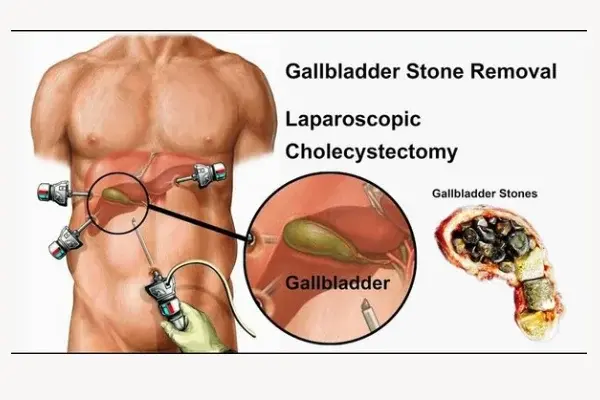
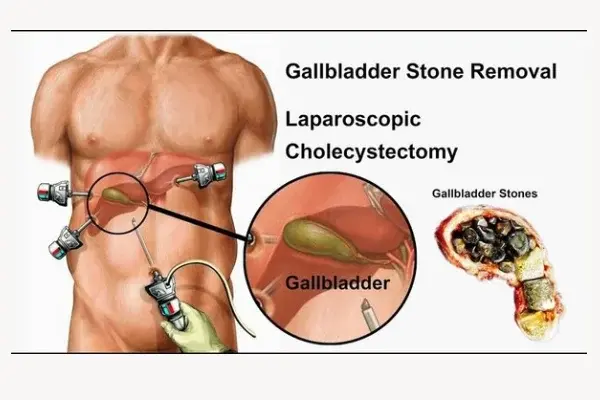
The gall bladder is a small organ under the liver that stores bile to help digest fats. Gall bladder disease includes conditions like gallstones, cholecystitis (inflammation), polyps, and gall bladder dysfunction. When these conditions cause recurring pain or complications, surgical removal of the gall bladder (cholecystectomy) is the most effective and permanent treatment.
Trigger Foods to Avoid in a Diet
Fatty Foods
Stimulate excessive bile release, triggering pain
Fried Foods
Hard to digest and can worsen gall bladder symptoms
Processed Meats
High in unhealthy fats that strain the gall bladder
High-Fat Dairy
Can aggravate gall bladder inflammation and pain
Sugary Foods
May raise triglyceride levels and gall bladder risk
Carbonated Beverages
Cause bloating and abdominal discomfort
Symptoms for Gall Bladder
Severe Abdominal Pain
Sharp pain in the upper right abdomen, often after meals
Nausea and Vomiting
Common during gall bladder attacks
Jaundice
Yellowing of skin and eyes if bile duct is blocked
Fever and Chills
May indicate gall bladder infection (cholecystitis)
Back or Shoulder Pain
Pain may radiate to the back or right shoulder
Indigestion and Bloating
Especially after eating fatty or large meals
Common Causes of Gall Bladder
Gallstones
Most common cause of gall bladder disease and pain
Gall Bladder Inflammation
Cholecystitis caused by blocked bile flow or infection
Poor Gall Bladder Emptying
Stagnant bile leads to stone formation and dysfunction
Gall Bladder Polyps
Growths on the gall bladder wall that may need removal
High-Fat Diet
Increases bile saturation and disease risk
Risk Factors for Gall Bladder
Female Gender
More prone due to hormonal influences
Obesity
Increases cholesterol in bile
Sedentary Lifestyle
Slows digestion and bile flow
Age Over 40
Risk increases with age
Diabetes
Alters fat metabolism
Rapid Weight Loss
Quickly alters bile composition
Complications if Gall Bladder Left Untreated
Acute Cholecystitis
Severe inflammation requiring emergency care
Pancreatitis
Blockage of the pancreatic duct by gallstones
Jaundice
Due to bile duct obstruction
Bile Duct Infection
Serious infection requiring prompt treatment
Gall Bladder Rupture
Rare but life-threatening condition
Gall Bladder Cancer
Rare risk with long-standing untreated disease
Diagnosis
Gall bladder disease is diagnosed using imaging tests and clinical evaluation of symptoms.
Diagnostic Methods
- Ultrasound (most common and effective)
- HIDA Scan (to assess gall bladder function)
- CT Scan (for complications or unclear cases)
- MRCP (to evaluate bile ducts)
- Blood Tests (to detect infection or inflammation)
Surgical Treatment Options
Our advanced surgical procedures provide effective, long-term relief
Recommended
Laparoscopic Cholecystectomy
Minimally invasive removal of the gall bladder through small keyhole incisions
Quick recovery
Minimal scarring and pain
Permanent solution
Recovery Time
3–5 days
Anesthesia
General
Open Cholecystectomy
Used for complicated cases or when laparoscopic approach is not possible
Effective in high-risk cases
Comprehensive treatment
Recovery Time
7–10 days
Anesthesia
General
Robotic Cholecystectomy
Minimally invasive gall bladder removal using robotic-assisted technology for enhanced precision
Greater surgical precision and control
Reduced blood loss and minimal scarring
Faster recovery and shorter hospital stay
Recovery Time
2–5 days
Anesthesia
General
Recommended
Laparoscopic Cholecystectomy
Minimally invasive removal of the gall bladder through small keyhole incisions
Quick recovery
Minimal scarring and pain
Permanent solution
Recovery Time
3–5 days
Anesthesia
General
Open Cholecystectomy
Used for complicated cases or when laparoscopic approach is not possible
Effective in high-risk cases
Comprehensive treatment
Recovery Time
7–10 days
Anesthesia
General
Robotic Cholecystectomy
Minimally invasive gall bladder removal using robotic-assisted technology for enhanced precision
Greater surgical precision and control
Reduced blood loss and minimal scarring
Faster recovery and shorter hospital stay
Recovery Time
2–5 days
Anesthesia
General
Preventive Measures
Dietary Changes
Low-fat, high-fiber diet to reduce symptoms
Medications
Pain relief and antibiotics for infection control
Observation
Asymptomatic conditions may be monitored before treatment
Why choose Total Surgicare for Gall Bladder Surgery?
0
Expert Laparoscopic Surgeons
Our team specializes in gall bladder surgeries using the latest minimally invasive techniques for optimal outcomes.
1
Advanced Facilities
State-of-the-art operation theaters and recovery care ensure a smooth treatment experience.